
National Teachers’ Day 2026: Great Teachers Should Not Only Be Celebrated, but Also Supported
Published by Latifatussolikhah, 27 Nov, 2026
Est. 5 Minutes

By: Dr. Wahyu Purwaningsih, M.Pd.
[OPINION] Every November 25, social media is filled with “Happy Teachers’ Day” messages. Students give flowers, schools hold ceremonies, and banners bearing the theme “Great Teachers, Strong Indonesia” are displayed in many schools. All of this is certainly meaningful and worthy of celebration.
However, behind the festivities, there is a question we need to reflect on together: Are teachers receiving sufficient support to truly become great educators? Great teachers are not created by commemorative themes. They grow when they have peace of mind, opportunities to continuously develop their abilities, and recognition for their work.
That sense of security is something many honorary teachers are still waiting for. Through Circular Letter No. 7 of 2026 issued by the Ministry of Primary and Secondary Education, the government has confirmed that more than 237,000 non-civil servant teachers registered in the Basic Education Data System (Dapodik) may continue teaching in public schools until December 31, 2026. This policy provides relief, but it also raises a new question: What will happen to them starting in January 2027? The government has stated that a new scheme is being prepared, and we hope certainty will be provided before the year ends.
This certainty is not merely a matter of employment status. In many schools, particularly in areas facing teacher shortages, honorary teachers are the backbone of educational activities. They know their students, understand the surrounding communities, and have often devoted years of service to their schools. Teachers who are constantly anxious about their future will naturally find it difficult to focus on preparing creative lessons, even as expectations of them continue to grow.
One of the greatest demands comes from technological developments, particularly artificial intelligence (AI). Coding and AI are now being introduced as elective subjects beginning in Grade 5 of elementary school, while hundreds of thousands of teachers are receiving training to teach them. This is a positive step that deserves support. The government has also prepared guidelines for the use of digital technology and AI in education to ensure that their application remains well-directed. Nevertheless, we must remember that AI is only a tool. It can answer questions in seconds, but it cannot understand a student who is feeling sad, confused, or losing motivation to learn.
This is precisely where the role of teachers becomes even more important. When information is available everywhere, teachers are no longer the sole source of knowledge. Their role is to teach students how to ask good questions, verify information, and use technology honestly and responsibly. Teachers also serve as role models for behaving respectfully and wisely in the digital world. Therefore, teacher training should not stop at teaching them how to use applications. Teachers also need opportunities to experiment, discuss ideas with fellow educators, and adapt their teaching to their students’ needs.
The benefits of supporting teachers can already be seen around us. The 2026 Academic Competency Test (TKA) results for elementary schools in the Special Region of Yogyakarta were relatively high. When we interviewed teachers and school principals across the five regencies and municipalities of Yogyakarta, a common pattern emerged: students performed well because “the necessary factors were in place.” Students had long been accustomed to taking regional assessments such as the ASPD, making the TKA feel less unfamiliar. Teachers were also prepared to provide guidance, while schools organized practice sessions and mock tests systematically. All these elements reinforced one another.
There is no magical formula behind these achievements. The key lies in teachers who are prepared, supported, and trusted. When teachers are given space and confidence, their students also grow. The lesson is simple, yet often overlooked: the quality of education cannot exceed the quality and well-being of its teachers.
The same lesson also serves as a reflection for universities that prepare future educators, including the Primary School Teacher Education (PGSD) Program at UNU Yogyakarta. The students we educate today will eventually teach children who grow up alongside AI. They need to master literacy and numeracy, be proficient in using technology, and possess strong character: patience, fairness, and care for every student. Universities must do more than produce graduates who excel in examinations. They must also prepare teachers who are willing to continue learning throughout their lives.
Ultimately, preparing and supporting teachers is a shared responsibility. The government can provide clear and timely certainty regarding teachers’ employment status and welfare. Local governments and schools can reduce teachers’ administrative burdens and create more opportunities for collaboration. Universities can continue building partnerships with schools so that academic knowledge and practical experience enrich one another. Parents can maintain good communication and mutual trust with teachers. Society, too, can appreciate teachers every day, not only on November 25.
The theme “Great Teachers, Strong Indonesia” is a beautiful aspiration. To ensure it does not remain merely a banner slogan, it must be realized through genuine certainty, support, and recognition. Teachers who are well supported will be better equipped to nurture our children’s future.
Happy National Teachers’ Day 2026. Thank you, teachers. []
Author: Dr. Wahyu Purwaningsih, M.Pd. Lecturer, Primary School Teacher Education (PGSD) Program, Faculty of Education, Universitas Nahdlatul Ulama (UNU) Yogyakarta
Editor: Latifah
*Editorial Note: This article is the work of its author. All content, views, interpretations, and information presented are the author’s responsibility. The editorial team is not responsible for the views or opinions expressed in the article, apart from the editing undertaken for publication purposes.
Share
Related News
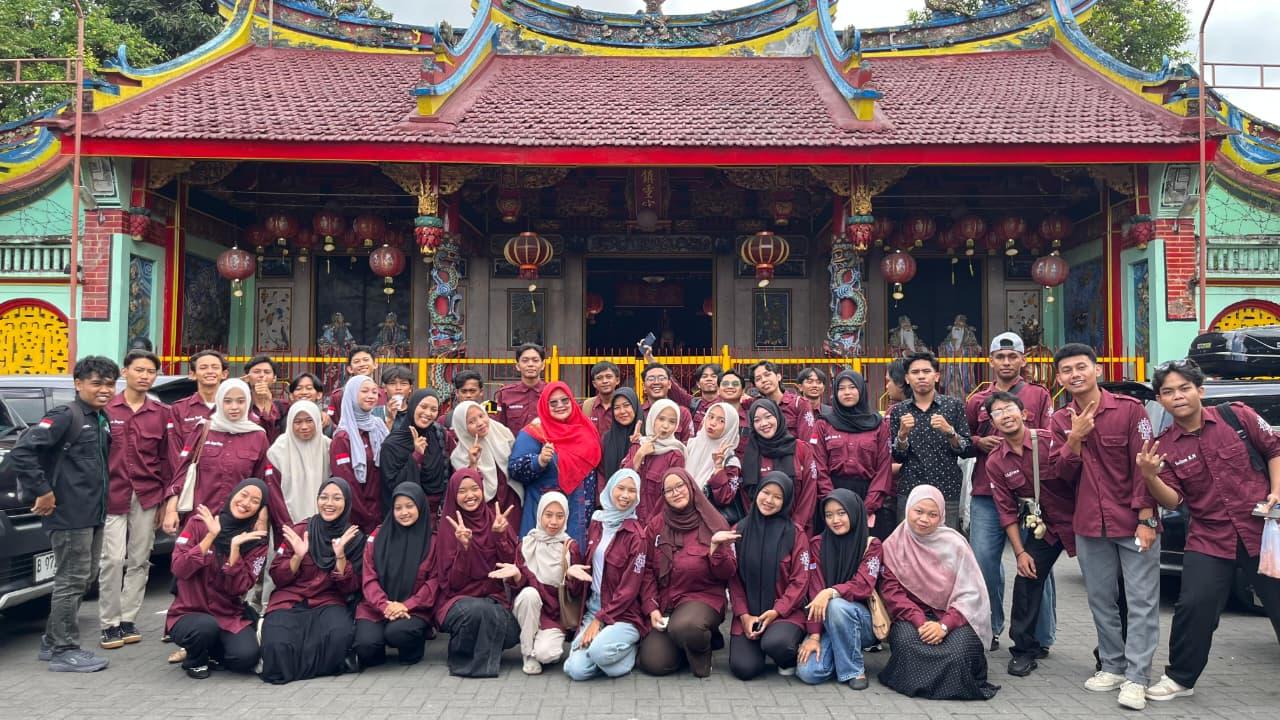
Interdisciplinary Islamic Studies Students of UNU Jogja Explore the Harmony of Confucianism, Taoism, and Buddhism at Poncowinatan Temple
Published by Latifatussolikhah, 27 Nov, 2026 | Duration. 4 Minutes
Teachers and Universal Design for Learning for Persons with Disabilities
Published by Latifatussolikhah, 27 Nov, 2026 | Duration. 6 Minutes
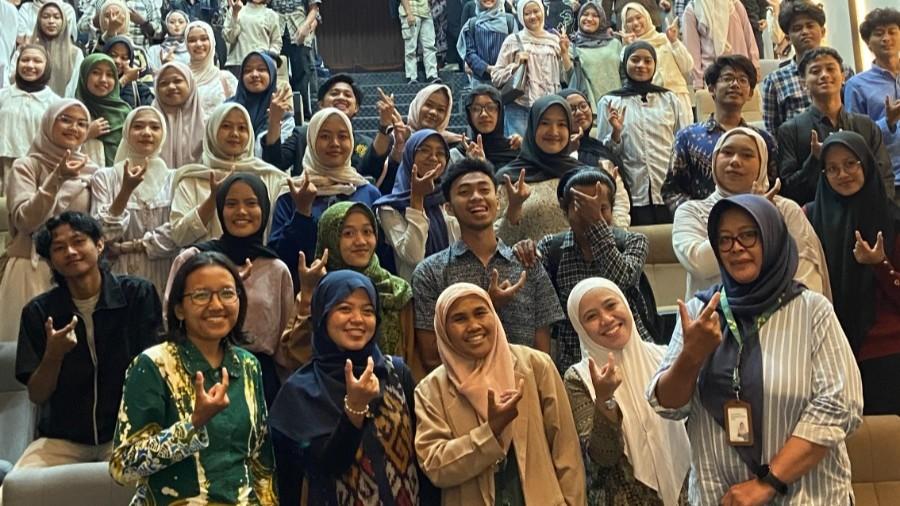
Agribusiness Selapanan Kamis Manis at UNU Jogja: Strengthening Community Bonds and Improving Nutrition Literacy Among Students and Islamic Boarding School Residents
Published by Latifatussolikhah, 16 Nov, 2026 | Duration. 3 Minutes
Popular News
UNU Jogja Pharmacy Students Win First Honorable Mention Nationally with Digital Technology and Gotu Kola Innovation for TB Control
Published by Latifatussolikhah, 19 Nov, 2026 | Duration. 3 Minutes
Arifin Kurnia Setiatama, Islamic Interdisciplinary Studies Student at UNU Jogja, Wins Second Honorable Mention in the 2026 Kulon Progo Youth Potential Selection
Published by Latifatussolikhah, 18 Nov, 2026 | Duration. 4 Minutes
UNU Jogja Pharmacy Students Win Honorable Mention at International Coophar 2026 Poster Competition
Published by Latifatussolikhah, 13 Nov, 2026 | Duration. 3 Minutes
Two Pharmacy Students of UNU Jogja Win Second Runner-Up Honorable Mention at the National Pharmacist Education Competition
Published by Latifatussolikhah, 16 Nov, 2026 | Duration. 2 Minutes