
When Ablution Becomes a Challenge: Yuyun's Story and the Pursuit of Inclusive Mosques
Published by Latifatussolikhah, 17 Jul, 2026
Est. 5 Minutes
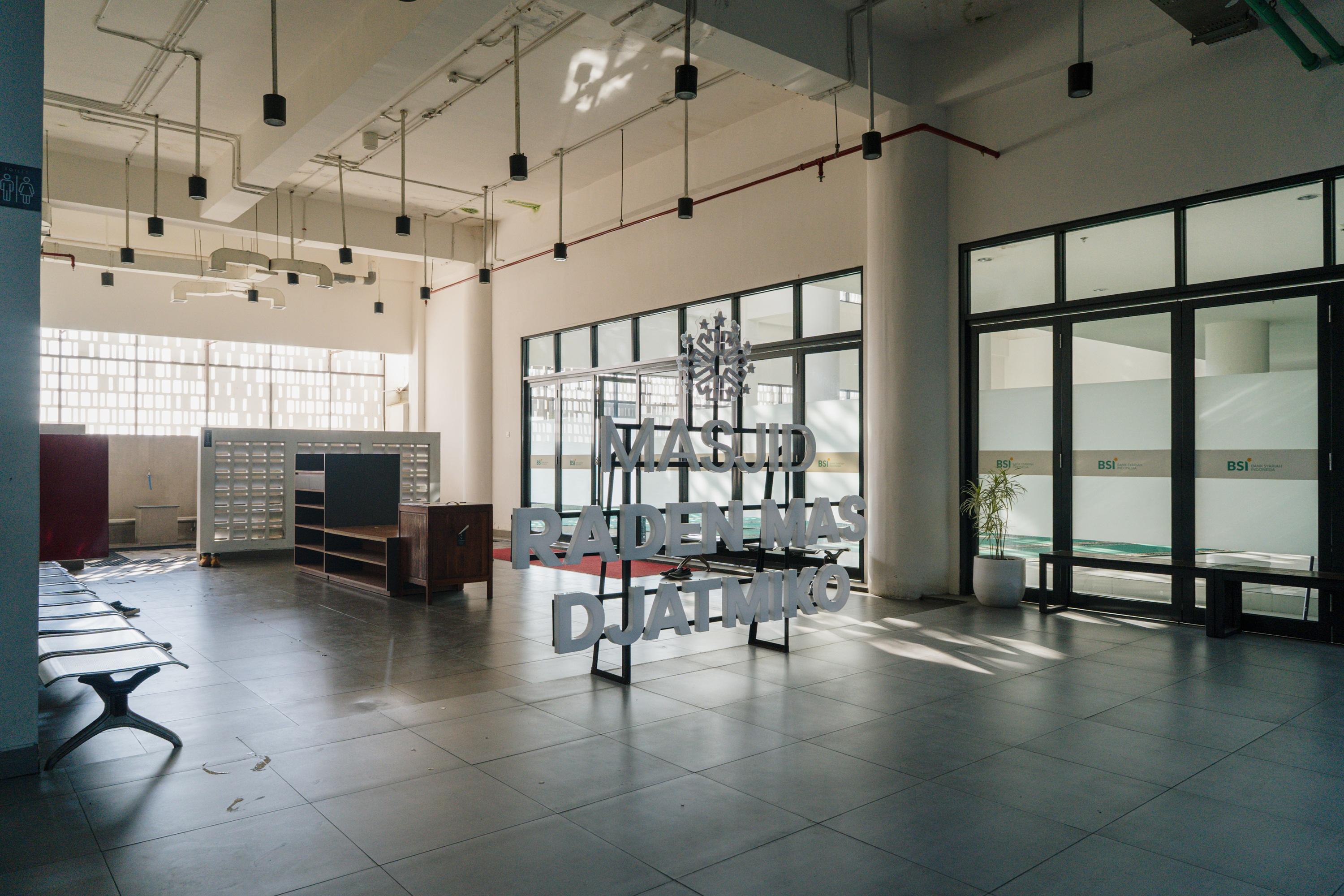
For most Muslims, walking to the ablution area before prayer is a simple routine. For Yuyun Apriani, however, it is a different experience. As a person with a physical disability who moves on her knees and occasionally uses a prosthetic leg, performing wudu (ablution) often begins with an obstacle that many people barely notice: crossing the small water barrier leading to the ablution area.
In many mosques she has visited, the shallow water barrier designed to keep the prayer area clean has become one of the greatest challenges. What may seem insignificant to others requires Yuyun to carefully maintain her balance to avoid slipping. More often than not, her clothes become wet before she even reaches the water tap.
The experience is not only physically exhausting but also emotionally draining. There were times when Yuyun avoided visiting certain mosques because she feared she would not be able to access the ablution facilities safely. She even found herself wondering whether she should look for another mosque, perform tayammum (dry ablution), or combine her prayers when faced with such situations.
Those experiences eventually led her to a new understanding of fiqh for persons with disabilities. Through learning and discussion, Yuyun realized that the difficulties she faced in worship were not always caused by her physical condition. More often, they resulted from worship facilities that had not been designed to accommodate people with diverse abilities.
"For a long time, I thought the problem was with me. After learning about disability fiqh, I realized that Islam provides flexibility in worship according to each person's abilities. What we need to continue promoting is an environment that is more welcoming and accessible for everyone," Yuyun said.
Her awareness deepened after participating in the School of Diversity for Young Persons with Disabilities, organized by Srikandi Lintas Iman (SRILI) in Yogyakarta with support from the Fahmina Foundation and JISRA. There, she learned not only about disability fiqh but also about government regulations concerning accessibility standards for disability-friendly mosques and prayer rooms.
The experience transformed her perspective. Accessibility, she realized, is not merely an act of kindness—it is an essential part of fulfilling every person's right to practice their religion.
Religious Accommodation and Accessibility
A similar perspective was shared by Ahmad Hujjaj Nurohim, a lecturer in the Interdisciplinary Islamic Studies Program at Nahdlatul Ulama University of Yogyakarta (UNU Jogja). According to him, Islamic teachings have long recognized the principle of rukhsah—religious concessions that make worship easier for those facing particular circumstances.
"Islam does not intend hardship for its followers. One of the principles of Islamic jurisprudence states al-mashaqqah tajlibu at-taysir (hardship brings about ease). Therefore, when someone has physical limitations or particular circumstances, Islamic law provides concessions so they can continue to worship according to their ability," he explained.
Hujjaj added that Islam also teaches the principle of ats-tsawabu bi qadri at-ta'ab, meaning that one's reward corresponds to the effort and hardship endured. In his view, persons with disabilities who continue striving to worship despite their challenges receive immense spiritual merit before God.
He emphasized that such religious understanding should be accompanied by inclusive worship facilities. As an example, he pointed to Masjid Raden Mas Djatmika at UNU Jogja, which has sought to improve accessibility through elevator access, ablution facilities without water barriers, and accessible restrooms. These facilities are intended to ensure that all worshippers can perform their religious obligations comfortably and safely.
For Yuyun, learning these principles brought both peace of mind and renewed hope. She no longer sees her physical condition as an obstacle to drawing closer to God, but rather as part of human diversity that Islamic teachings have already acknowledged and accommodated.
Today, she hopes more mosques will embrace accessible design. Simple improvements such as ramps, handrails, accessible toilets, and easily reachable ablution facilities can make a profound difference, allowing persons with disabilities to worship safely, independently, and with dignity.
Yuyun's experience serves as a reminder that mosques are, fundamentally, homes for all Muslims regardless of their physical condition. As a university committed to advancing inclusivity through education, research, and community engagement, UNU Jogja continues to promote public spaces—including places of worship—that respect everyone's right to worship equally, safely, and with dignity.
Towards More Inclusive Places of Worship
The importance of accessibility in places of worship is also highlighted by Wiwin Rohmawati, Advisor to the Centre for Gender Equality, Disability, and Social Inclusion (GEDSI) at UNU Jogja. She explained that the Indonesian government has issued Decree No. 958 of 2021 by the Directorate General of Islamic Community Guidance under the Ministry of Religious Affairs, providing official guidelines for disability-friendly places of worship.
According to Wiwin, through its Centre for GEDSI, UNU Jogja is committed to supporting the implementation of these policies through academic research, community engagement, and policy advocacy aimed at raising public awareness of the importance of accessible worship spaces.
"Through the Centre for GEDSI, UNU Jogja seeks to connect academic research, community engagement, and policy advocacy so that the principles of disability-friendly places of worship do not remain merely regulations but become realities within society," she said.
Despite the existence of these policies, implementation remains challenging. Many mosques and prayer rooms still lack accessible facilities and inclusive services for persons with disabilities. Limited public awareness, insufficient understanding among mosque administrators, and inadequate funding and technical assistance continue to hinder progress.
At the same time, encouraging initiatives have emerged from civil society organizations. One notable example is the Indonesian Women Ulama Congress (KUPI), which has consistently mainstreamed disability issues over the past two years through capacity-building programs, discussions, training sessions, and publications. These efforts aim to strengthen inclusive perspectives among women religious scholars, activists, and community members while integrating disability rights into religious preaching, education, advocacy, and Islamic practice.
Wiwin emphasized that creating inclusive places of worship requires collaboration among government institutions, religious organizations, mosque administrators, disability organizations, academics, and civil society. Through collective commitment, supported by effective policies, technical assistance, and adequate funding, places of worship can become spaces where everyone is able to practice their faith safely, comfortably, and with equal dignity. [Latifah]
Share
Related News

Free Nutritious Meal Program During Ramadan, PGSD UNU Jogja Encourages an Educational Approach in Elementary Schools
Published by Latifatussolikhah, 5 Feb, 2026 | Duration. 2 Minutes
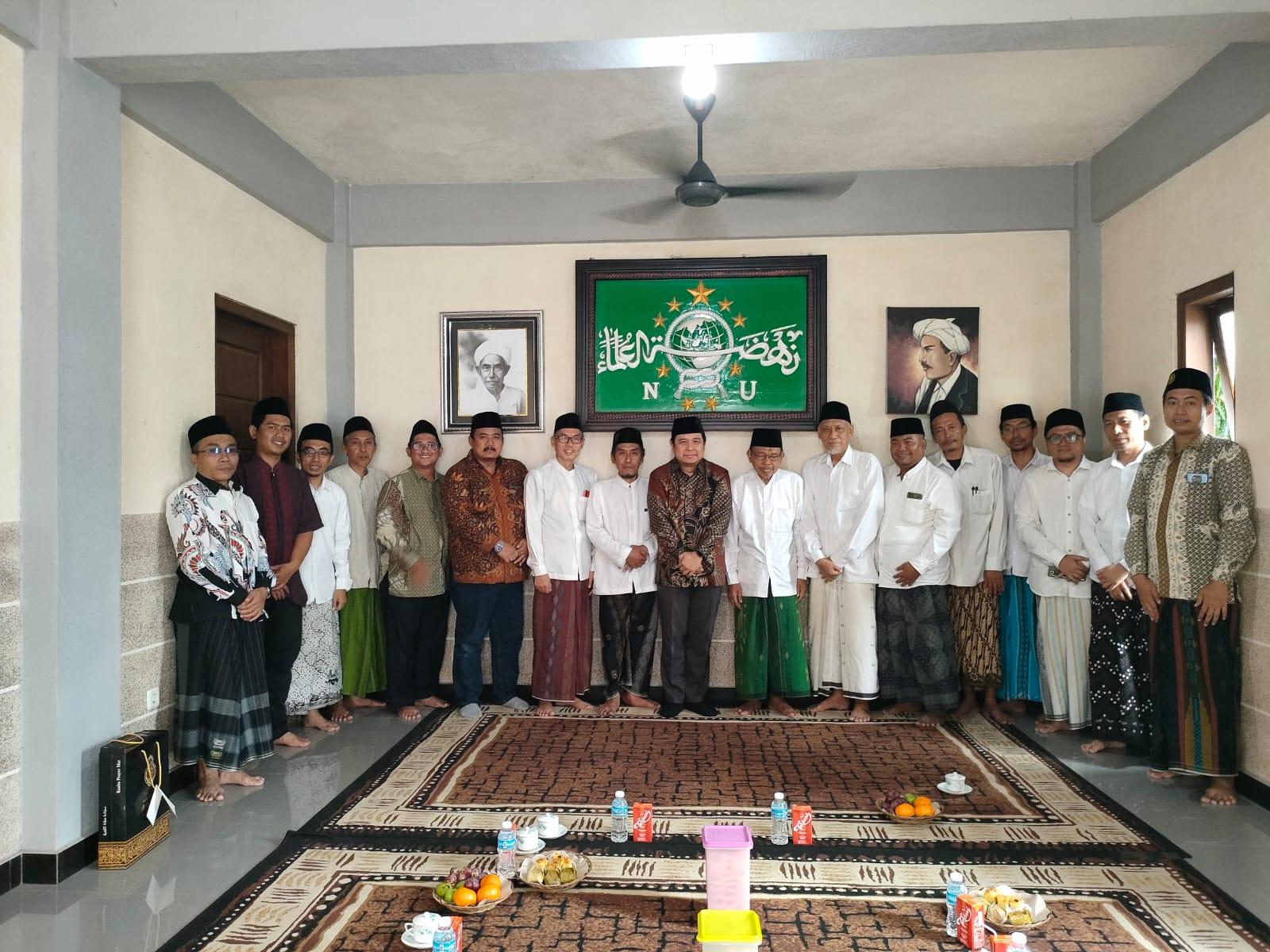
UNU Jogja Leaders Visit Prominent Kyai in East Java to Strengthen Santri Values and Spirit
Published by Latifatussolikhah, 24 Oct, 2025 | Duration. 3 Minutes
Santri Day 2025: UNU Jogja Encourages Students to Embrace Santri Values
Published by Latifatussolikhah, 22 Oct, 2025 | Duration. 2 Minutes
Popular News
UNU Jogja Wins 1st Place at 2026 LLDIKTI Region V Partnership Awards
Published by Latifatussolikhah, 8 Jul, 2026 | Duration. 3 Minutes
UNU Jogja Informatics Student Wins Second Place in DIY 2026 Provincial Student Arts Competition Poster Design Category
Published by Latifatussolikhah, 6 Jul, 2026 | Duration. 2 Minutes
UNU Jogja Wins First Place in Website Management at the LLDIKTI Region V Diktisaintek Public Relations Awards
Published by Latifatussolikhah, 3 Jul, 2026 | Duration. 4 Minutes
UNU Jogja Pharmacy Student Earns Runner-Up Title at Yogyakarta Cultural Ambassador Competition
Published by Latifatussolikhah, 29 Jun, 2026 | Duration. 4 Minutes