
Why Education Policy Belongs in the National Policy Conversation
Published by Latifatussolikhah, 18 Sep, 2026
Est. 5 Minutes
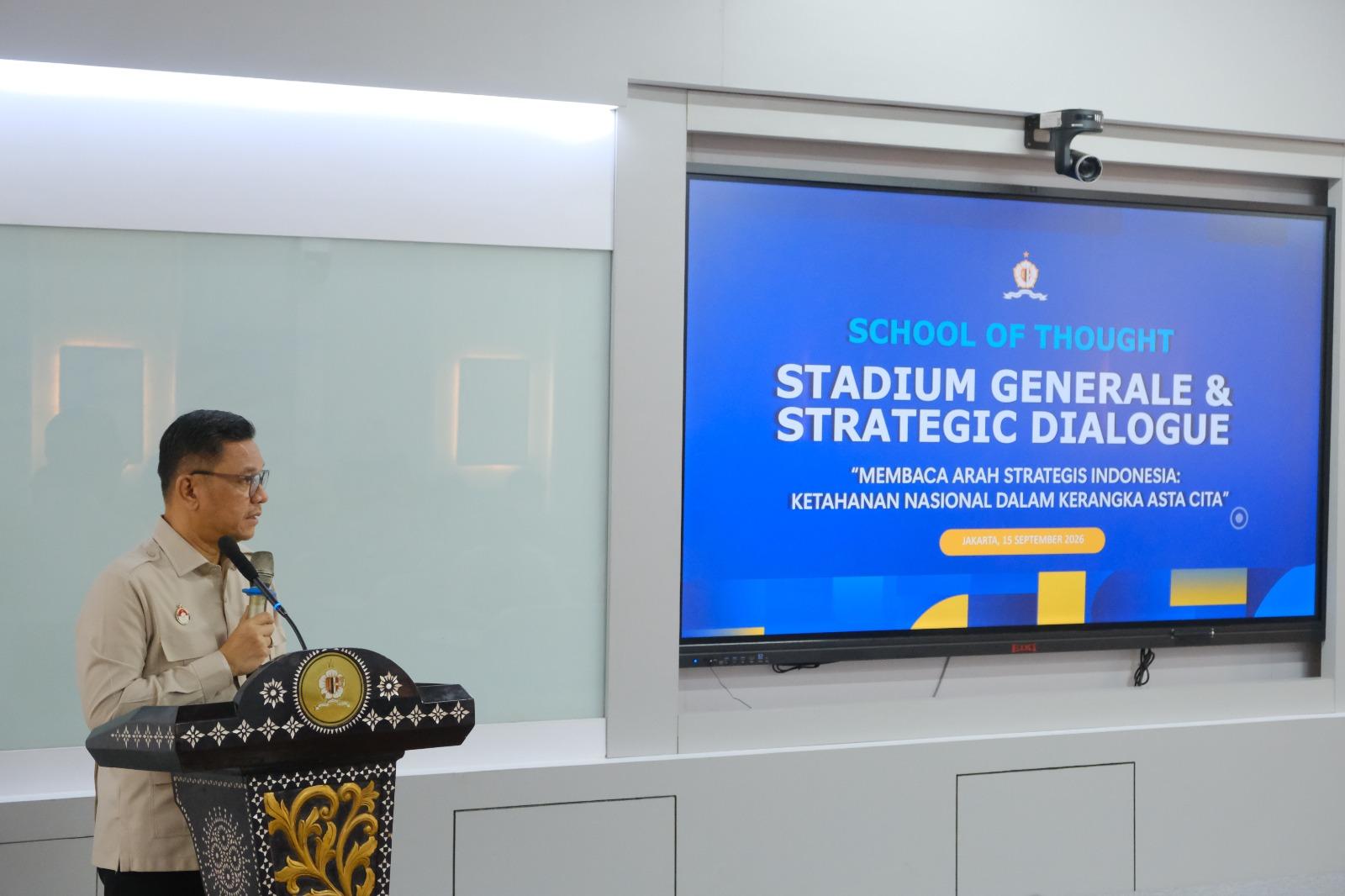
By : Rahayu Rizky
[OPINION] Education policy is often treated as a sectoral issue; something that belongs to classrooms, curriculum, teachers, schools, and universities. Yet the more I study education policy, the more difficult it becomes to draw that boundary.
What happens in a classroom is shaped by decisions made far beyond it. Curriculum reflects national priorities. Education influences social mobility and inequality. Schools help shape how young people understand citizenship and society. At the national level, education contributes to the skills, productivity, adaptability, and resilience of a population.
Education policy, therefore, is not simply about how we teach. It is also about what kind of society and country we seek to build.
This perspective became increasingly relevant to me after I was selected as a Founding Associate of the School of Thought, Batch One, at The Kertanegara Institute (an initiative linked with the intellectual legacy of the late Prof. Soemitro Djojohadikusumo). The program has given me an opportunity to engage with questions of strategic policy beyond the boundaries of education and to place my academic training in conversation with broader questions of governance and national development.
This kind of experience became particularly meaningful during our recent visit to the Lembaga Ketahanan Nasional Republik Indonesia (Lemhannas RI). Engaging in a strategic policy environment prompted me to reconsider the place of education within conversations about Indonesia's national strategy.
Education Is Already a National Development Issue
The argument that education belongs in strategic policy discussions is not merely academic. Indonesia's own development planning increasingly places human-resource development at the center of the country's long-term transformation.
The RPJPN 2025–2045 identifies human-resource competitiveness as an important component of Indonesia's long-term development, while the RPJMN 2025–2029 focuses on strengthening the foundations for national transformation. The government's long-term target includes increasing Indonesia's Human Capital Index to 0.73 by 2045.
Bappenas has similarly positioned human capital development as a foundation for achieving the Indonesia Emas 2045 vision. Its education transformation agenda includes expanding compulsory education, strengthening higher education and STEM graduates, and improving teacher management.
These priorities demonstrate that education is already connected to broader national development objectives. The question, therefore, is not whether education is strategic, but how strategically we think about education policy.
If human capital is essential to national transformation, education cannot be isolated from economic planning, technological change, demographic shifts, and social policy.
From the Classroom to National Resilience
My experience at Lemhannas reinforced another dimension of this relationship: education is connected to national resilience.
Lemhannas has emphasized the role of teachers and human-resource development in strengthening national resilience. Its Governor, Dr. H. TB. Ace Hasan Syadzily, has highlighted the strategic role of education and teachers in preparing Indonesia's human resources.
This matters because national resilience is often discussed through the language of defense, geopolitics, economic strength, technology, or security. Yet behind these capabilities are people.
Who develops the researchers, engineers, teachers, policymakers, entrepreneurs, and public servants who sustain institutions?
Who builds the capacity to adapt when societies face technological, economic, or geopolitical disruption?
Education is deeply implicated in these questions.
A 2025 Lemhannas discussion on education transformation similarly connected education with the development of superior human resources and emphasized the importance of an education ecosystem that is adaptive, inclusive, accountable, and data-driven.
For me, this creates an important policy implication: education should not enter strategic conversations only after national priorities have already been defined. It should be part of those conversations from the beginning.
But Education Cannot Be Reduced to Human Capital
At the same time, bringing education into national strategy should not mean reducing education to an instrument for economic growth or competitiveness.
This is where education scholars have an important role to play.
Policy discussions naturally emphasize measurable outcomes: productivity, skills, innovation, competitiveness, and demographic dividends. These are legitimate concerns. But education also raises questions that cannot be captured entirely through economic indicators.
What kinds of citizens should education cultivate?
Whose knowledge is represented in the curriculum?
How do policies affect different communities?
What happens when national priorities encounter local realities?
These questions require more than technical solutions. They require critical inquiry.
This is also where education policy intersects with political science and public policy. Policies do not operate in a vacuum. They are implemented through institutions, actors, resources, competing interests, and ideas. Understanding these dynamics allows us to examine not only whether a policy works, but how it works, for whom, and with what consequences.
From Academic Research to Policy Engagement
Being part of the Kertanegara Institute's School of Thought has therefore expanded how I understand my role as an education-policy scholar. My doctoral work has trained me to examine evidence, institutions, governance, and policy implementation. Entering a broader strategic-policy environment challenges me to connect those questions with Indonesia's larger development trajectory.
The Lemhannas experience reminded me that the boundaries between education policy, public policy, and national strategy are far more porous than they may initially appear.
For me, being an education scholar does not mean thinking only about education. It means understanding the political, social, economic, and strategic environments in which education operates and asking how research can contribute meaningfully to those conversations.
Education may begin in the classroom, but its consequences extend far beyond it.
If Indonesia is serious about building the human capabilities required for 2045, education policy cannot remain a conversation confined to the education sector. It belongs at the heart of the national policy conversation.*
About the Author: Rahayu Rizky, Lecturer at the Faculty of Education, Universitas Nahdlatul Ulama Yogyakarta. She is currently pursuing a PhD in Education Policy at Universitas Islam Internasional Indonesia.
Editor: Latifah
*Editorial Note: This article is the work of the author. All content, views, interpretations, and information presented are the responsibility of the author. The editorial team is not responsible for the views or opinions expressed in the article beyond the editing process undertaken for publication.
Share
Related News
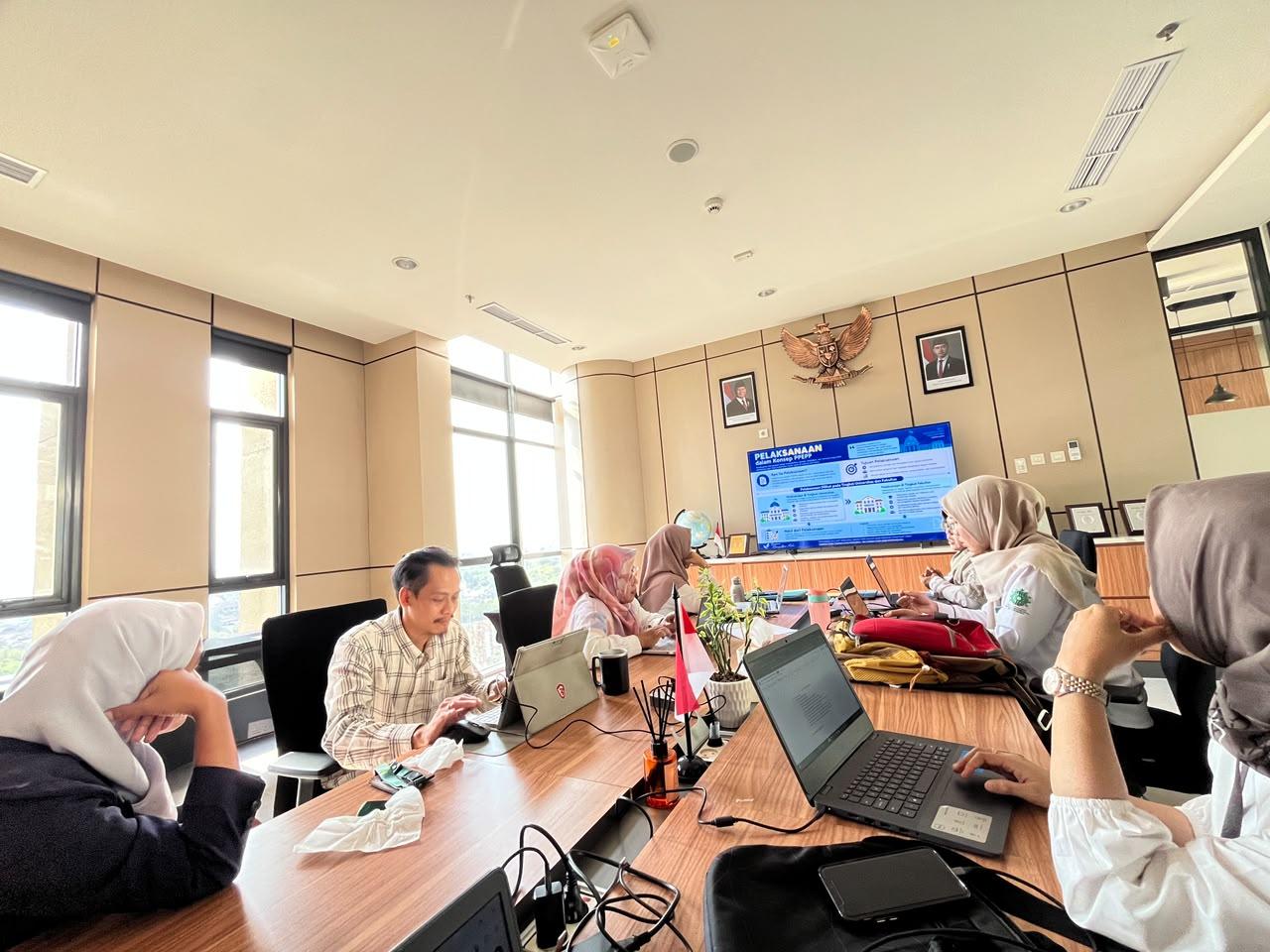
UNU Jogja Prepares for Excellent Accreditation, LPM Strengthens Faculty and Directorate Quality through PPEPP
Published by Latifatussolikhah, 17 Sep, 2026 | Duration. 2 Minutes
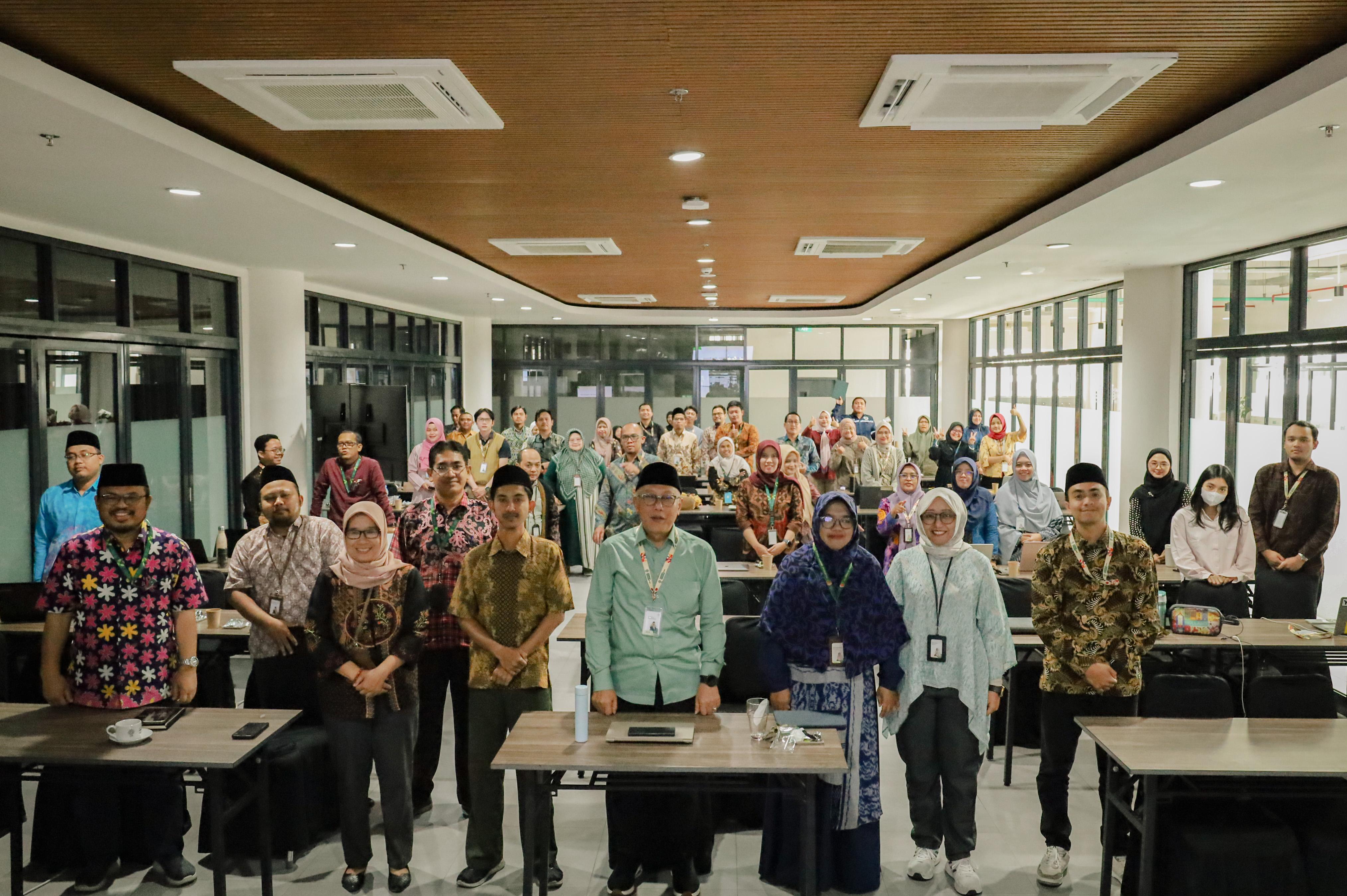
UNU Jogja Socializes RIP, Strategic Plan, and Operational Plan Toward Becoming a Globally Competitive University
Published by Latifatussolikhah, 14 Sep, 2026 | Duration. 3 Minutes

UNU Jogja Equips Students through Student Impact Bootcamp Ahead of Social Laboratory Deployment
Published by Latifatussolikhah, 11 Sep, 2026 | Duration. 4 Minutes
Popular News
UNU Jogja Students Pass P2MW Selection and Join KMI Expo XVII 2026
Published by Latifatussolikhah, 15 Sep, 2026 | Duration. 3 Minutes
UNU Jogja Students and Alumni Attend Coinfest Asia 2026, Joining Techies from 90 Countries to Shape the Future of Global Technology and Digital Industry
Published by Latifatussolikhah, 26 Aug, 2026 | Duration. 4 Minutes
FREQUENTLY ASKED QUESTIONS (FAQ): BEASISWA TALENTA LESTARI 2026
Published by Intan Agisti Nila Sari, 21 Jul, 2026 | Duration. 9 Minutes
Mutiara Azzahra Tzabitah Zain Ababil, Deaf Student of UNU Jogja's Food Technology Study Program, Wins First Runner-Up at the 2026 Deaf Inter-Club Futsal Tournament
Published by Latifatussolikhah, 7 Aug, 2026 | Duration. 3 Minutes