
How Should Students with Disabilities Be Treated Equally on Campus?
Published by Latifatussolikhah, 25 Sep, 2026
Est. 6 Minutes
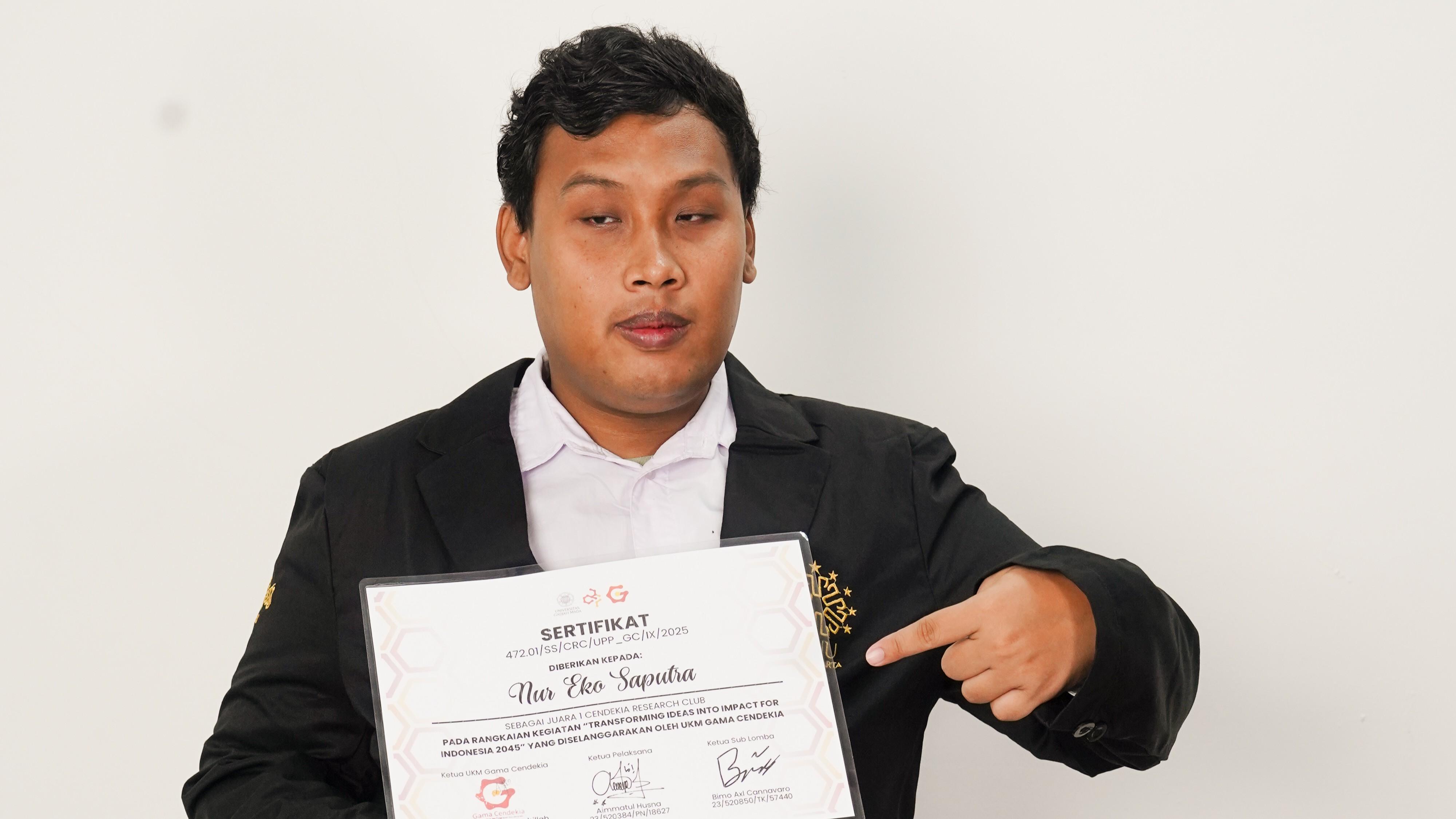
By: Nur Eko Saputro
[OPINION] Inclusive education is about providing equal opportunities for all students to learn, grow, and fully participate in campus life. Inclusion is not merely a slogan, but a genuine commitment to ensuring that no student is left behind because of physical or sensory limitations. By creating an inclusive environment, we can help all students reach their full potential without making them feel different or pitied.
As a blind student at Universitas Nahdlatul Ulama Yogyakarta (UNU Yogyakarta), I experience firsthand the barriers faced by students with disabilities. The greatest challenge for us is visual accessibility. In many parts of the campus, there are classrooms with glass walls without room-number signs that can be identified through touch. Some facilities lack adequate handrails, while guiding blocks for navigation are still limited. In many cases, seemingly small issues like these can significantly hinder the mobility and orientation of blind students on campuses across Indonesia. We do not need pity; we need access. Blind students need appropriate assistance with navigation, screen-reader-friendly access to information, and equal social interaction.
In addition, the simplest way to build the confidence of students with disabilities is to involve them in various campus activities and events. Students with disabilities should be subjects, not objects, spectators, or merely participants for the sake of fulfilling formalities. They can be actively involved as committee members, moderators, speakers, or persons in charge of activities. Providing opportunities for active participation can broaden the perspectives of students with disabilities, increase their knowledge, and strengthen their sense of belonging to the campus community. Inclusion needs to be built into every aspect of campus life, from student orientation, seminars, and competitions to student organizations, so that students with disabilities feel equal, valued, and confident.
In the classroom, the principle of equality must be upheld. If there are no cognitive barriers, students with disabilities should participate in the same learning process as students without disabilities. The curriculum, academic standards, and assignments should remain the same. What needs to be adjusted is the learning medium so that students can access the material properly. For example, course materials can be provided in PDF files that are accessible to computer screen readers. For blind students, verbal explanations from lecturers when presenting slides or diagrams are also essential. Additional time during examinations may also be provided when necessary. Exceptions or accommodations should only be given when the learning system remains completely inaccessible despite maximum efforts to provide appropriate support. Such accommodations should not be standardized for all people with disabilities and should instead be determined individually, on a case-by-case basis.
Group assignments are also common in the learning process. In such cases, inclusive education needs to be implemented from various perspectives, including group formation and distribution. There are still situations where students with disabilities are placed in the same group with other students with disabilities. The reason is often administrative convenience and easier assessment. However, this approach can create another barrier in an inclusive classroom, namely segregation. Students with disabilities should ideally be placed in mixed groups with students without disabilities. If there are two students with disabilities in one class, it would be better to place them in different groups. This can create a more dynamic learning experience through interaction, mutual learning, and knowledge transfer. Students without disabilities can learn how to communicate empathetically and inclusively, while students with disabilities can learn to adapt to the dynamics of teamwork.
In everyday social interactions, students with disabilities still face many challenges. Students without disabilities sometimes hesitate to initiate conversations because they feel confused or awkward. However, students with disabilities are not being unfriendly or arrogant. Blind and low-vision students may simply have difficulty identifying who is around them or who is sitting nearby. Blind students may need others to greet them first and describe who is nearby. Another common challenge occurs when students with disabilities ask for assistance in finding a classroom or simply having an announcement read aloud. Some peers may ignore the request because they are busy. If someone is unable to help, they can find another person who is available to assist. Being refused when asking for assistance can be painful for students with disabilities. They may wonder: If there are dozens of students in the same class, is everyone really busy at the same time? This kind of social sensitivity is essential for creating a sense of safety.
The mentoring system also needs to be improved so that it is fairer and provides benefits in the form of increased knowledge and skills for both mentors and students with disabilities. Ideally, assistance should be provided on a rotating basis through a daily schedule or roster. When the number of staff or volunteers is limited—for example, only one person—and that person provides assistance from the beginning to the end of the semester, the system may unintentionally foster dependency. A more inclusive system can be implemented through shifts and rotation. In this way, classmates can gain skills and empathetic experiences by assisting, interacting with, and understanding the needs of students with disabilities. Peer social support is essential to helping students with disabilities feel accepted, comfortable, and part of the classroom community.
Therefore, as a blind student at UNU Yogyakarta, I recommend several measures that should continue to be pursued to create an inclusive, fair, and equal campus environment. First, each department or faculty should establish an Inclusive Support Team responsible for assisting students with disabilities and explaining their needs to classmates and lecturers. Second, peer training should be provided for students on appropriate and ethical ways to assist and interact with students with disabilities, including blind students. Third, training on Universal Learning Design should be provided to introduce appropriate learning methods and accessible materials for students with disabilities. Fourth, short films and educational content should be produced, particularly to educate the entire academic community about the everyday experiences of students with disabilities and to promote inclusion. Media campaigns and educational content can especially be introduced during new student orientation.
These efforts are intended to create a campus environment that is welcoming to everyone, increase awareness of disability, and empower students with disabilities to participate actively without barriers. Students with disabilities should be involved in decision-making related to inclusion policies, while facilities and learning systems should be evaluated regularly. Cooperation among students, lecturers, staff, and the entire academic community must also be strengthened. The transformation toward an inclusive campus will take time and require consistent collective effort.
I would like to include a quotation from my personal journal about inclusive education:
“The equality we need is not pity or excessive preferential treatment. What we need is an opportunity to prove that with equal access, we are also capable of achieving, contributing, and bringing honor to our university.”*
Hopefully.
Author: Nur Eko Saputro, student of the Informatics Study Program at UNU Yogyakarta, a blind student, and Gold Medalist at the 2025 Gama Cendekia National Scientific Writing Competition organized by Universitas Gadjah Mada (UGM).
Editor: Latifah
*Editorial Note: This article is the work of the author. All content, views, interpretations, and information presented are the responsibility of the author. The editorial team is not responsible for the views or opinions expressed in the article beyond the editing process conducted for publication purposes.
Share
Related News
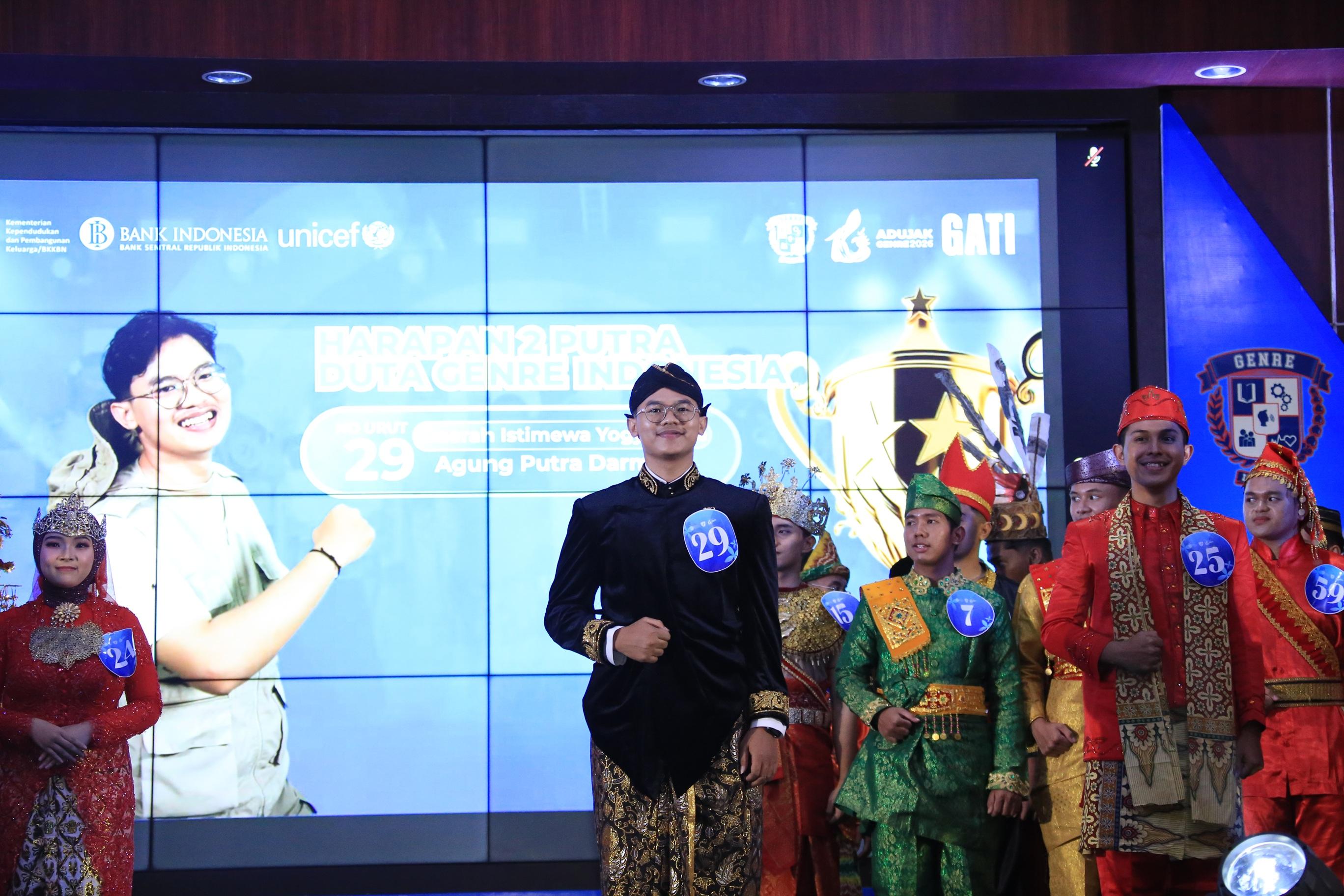
Representing Yogyakarta, UNU Jogja Management Student Agung Putra Darmara Wins 2nd Honorable Mention at 2026 Indonesian Duta Genre
Published by Latifatussolikhah, 25 Sep, 2026 | Duration. 6 Minutes
-1789639391524.jpg?alt=media&token=ff76426c-4f1e-4fd8-9436-7c873d973703)
UNU Jogja Faculty of Education Lecturers and Students Win Four Awards at International Conference
Published by Latifatussolikhah, 16 Sep, 2026 | Duration. 3 Minutes
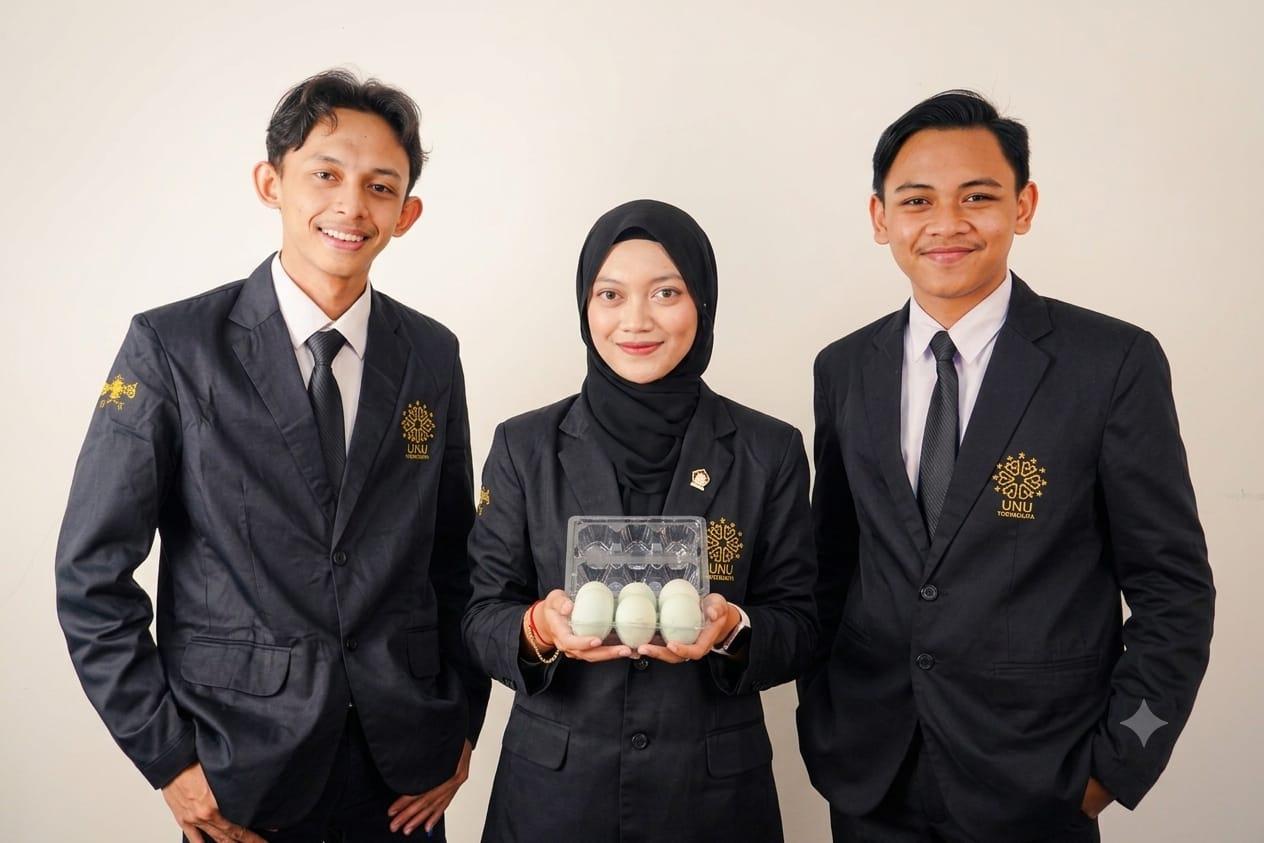
UNU Jogja Students Pass P2MW Selection and Join KMI Expo XVII 2026
Published by Latifatussolikhah, 15 Sep, 2026 | Duration. 3 Minutes
Popular News
Representing Yogyakarta, UNU Jogja Management Student Agung Putra Darmara Wins 2nd Honorable Mention at 2026 Indonesian Duta Genre
Published by Latifatussolikhah, 25 Sep, 2026 | Duration. 6 Minutes
UNU Jogja Students Pass P2MW Selection and Join KMI Expo XVII 2026
Published by Latifatussolikhah, 15 Sep, 2026 | Duration. 3 Minutes
UNU Jogja Students and Alumni Attend Coinfest Asia 2026, Joining Techies from 90 Countries to Shape the Future of Global Technology and Digital Industry
Published by Latifatussolikhah, 26 Aug, 2026 | Duration. 4 Minutes
FREQUENTLY ASKED QUESTIONS (FAQ): BEASISWA TALENTA LESTARI 2026
Published by Intan Agisti Nila Sari, 21 Jul, 2026 | Duration. 9 Minutes