
Learning from the West Java Confinement Case: Why Recognizing the Warning Signs of Abuse in Relationships Matters
Published by Latifatussolikhah, 2 Jul, 2026
Est. 4 Minutes
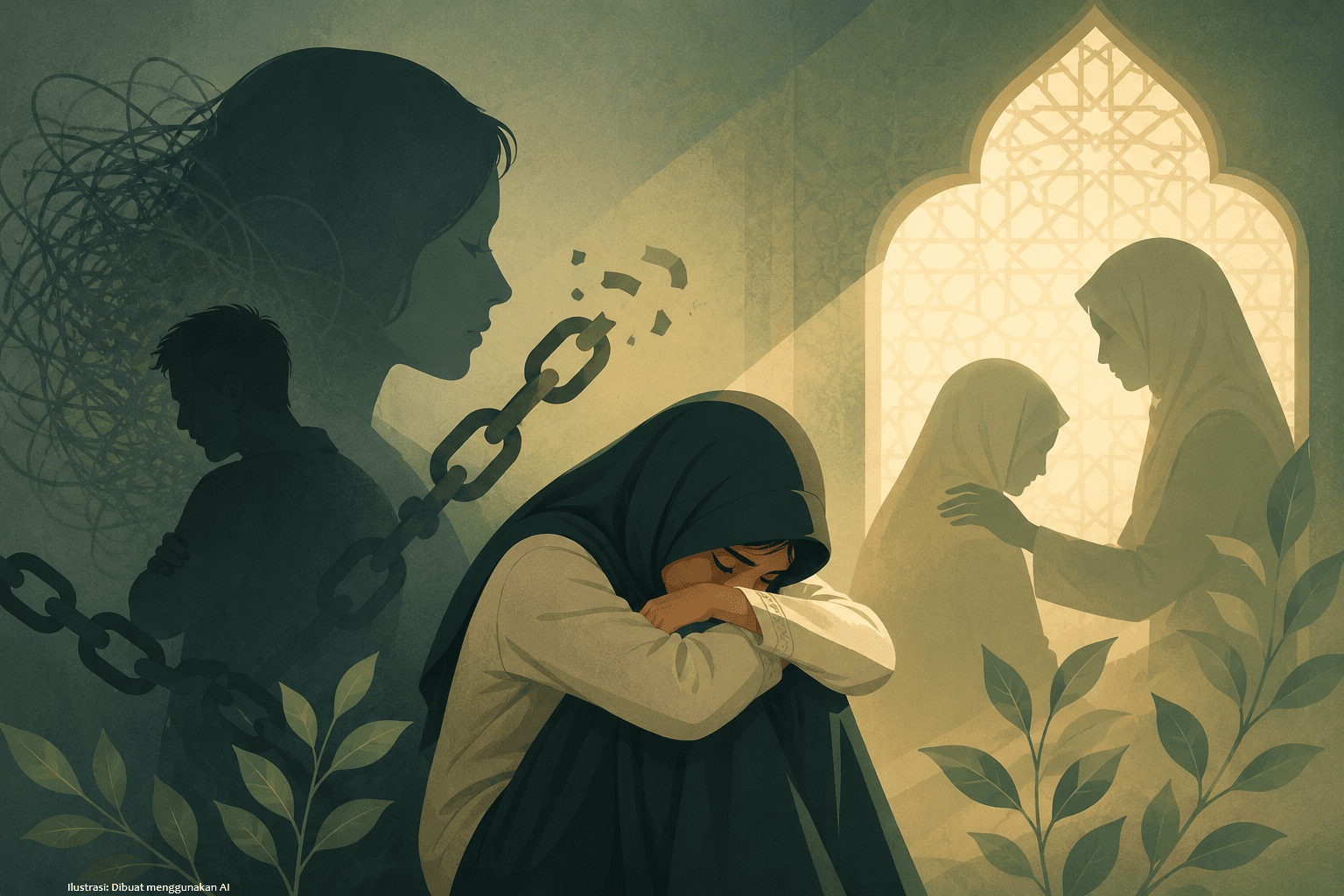
Yogyakarta, Indonesia – The recent alleged confinement case involving a woman in West Java has drawn widespread public attention and sparked renewed discussions about violence against women. Beyond the individual case, it serves as a reminder that many survivors of abuse may still be living in violent situations without feeling safe enough to seek help.
For university students, understanding gender-based violence is an essential step toward creating a safe, inclusive, and supportive campus environment. The Centre for Gender Equality, Disability, and Social Inclusion (GEDSI) at Universitas Nahdlatul Ulama Yogyakarta (UNU Jogja) emphasizes that preventing violence requires not only effective law enforcement but also greater public awareness of healthy relationships and respect for every individual's rights.
According to Erin Gayatri, Director of the Centre for GEDSI at UNU Jogja, many people still associate violence solely with physical abuse. In reality, violence can take many forms, including verbal, psychological, sexual, economic, and coercive or controlling behavior that limits a person's freedom.
"Violence often begins with behaviors that seem ordinary, such as excessively controlling a partner, restricting their social interactions, or making them feel guilty for making independent decisions. If left unchecked, these patterns can escalate into more severe forms of abuse," she explained.
Recognizing Red Flags in Relationships
The Centre for GEDSI encourages students to be more aware of the warning signs of unhealthy relationships. Behaviors that should raise concern include a partner who constantly monitors another person's activities, checks their phone without permission, prevents them from meeting friends or family, uses threats or intimidation to get what they want, or makes them feel afraid to express their opinions.
These behaviors are often mistaken for expressions of love or concern. However, healthy relationships are built on mutual trust, respect, open communication, and the freedom for each person to grow as an individual.
Why Is It Difficult for Survivors to Leave?
One of the most common questions raised whenever a case of abuse becomes public is why survivors do not simply leave the abusive relationship. Erin believes this question should be approached with empathy, as every survivor faces different circumstances.
Survivors may experience psychological trauma, fear, threats, emotional or financial dependence, or concerns for their own safety and the safety of their family members. These factors can make leaving an abusive situation far more complicated than many people realize.
"Rather than blaming survivors, what matters most is creating an environment where they are heard, believed, and supported in accessing appropriate assistance," she said.
The Role of Students in Preventing Violence
As members of the academic community, students have an important role in fostering a culture that promotes equality and rejects all forms of violence. Paying attention to friends who show significant behavioral changes, reporting suspected cases through available campus mechanisms, and avoiding the spread of information that could further harm survivors are meaningful actions that everyone can take.
Students are also encouraged to become agents of change by building healthy relationships, respecting personal boundaries, and recognizing that everyone has the right to feel safe—both on and off campus.
Building a Safe Campus Environment
Through the Centre for GEDSI, UNU Jogja continues to promote an inclusive learning environment that is free from discrimination, harassment, and violence. Education on gender equality, human rights, and violence prevention forms an integral part of the university's commitment to creating a campus where every member of the academic community can learn and thrive safely.
Cases of violence reported across the country should not be viewed merely as news headlines but as reminders that prevention begins with individual awareness. By recognizing the warning signs of abuse, responding to survivors with empathy, and fostering supportive communities, society can help prevent violence before it escalates.
Centre for GEDSI and the PPKPT Task Force Provide a Safe Space for Consultation
As part of its commitment to campus safety and inclusion, the Centre for Gender Equality, Disability, and Social Inclusion (GEDSI) and the University's Task Force for the Prevention and Handling of Violence in Higher Education (PPKPT) provide consultation services for students, faculty, and staff seeking information, guidance, or support related to gender equality, violence prevention, and social inclusion.
The service is intended to serve as a safe space where members of the university community can discuss concerns related to unhealthy relationships, suspected gender-based violence, discrimination, or obtain referrals to professional support services when necessary.
Erin encouraged students not to hesitate to seek help if they experience or witness behaviors that may constitute violence.
"No one should have to face these challenges alone. The university is here to listen, provide support, and connect students with appropriate services. The earlier someone seeks help, the greater the opportunity to prevent more serious consequences," she said.
Through these consultation services, UNU Jogja hopes more students will feel empowered to speak up, support one another, and actively contribute to building a campus culture that upholds human dignity, equality, and freedom from all forms of violence. [Latifah]
Share
Related News
-1789981449878.jpg?alt=media&token=49a1724e-8483-4973-a930-922dde4b0e37)
19 SII Students at UNU Jogja Selected for Kemenag’s Prima Magang PTKI Program
Published by Latifatussolikhah, 21 Sep, 2026 | Duration. 2 Minutes
Why Education Policy Belongs in the National Policy Conversation
Published by Latifatussolikhah, 18 Sep, 2026 | Duration. 5 Minutes
UNU Jogja Prepares for Excellent Accreditation, LPM Strengthens Faculty and Directorate Quality through PPEPP
Published by Latifatussolikhah, 17 Sep, 2026 | Duration. 2 Minutes
UNU Jogja Socializes RIP, Strategic Plan, and Operational Plan Toward Becoming a Globally Competitive University
Published by Latifatussolikhah, 14 Sep, 2026 | Duration. 3 Minutes
Popular News
Representing Yogyakarta, UNU Jogja Management Student Agung Putra Darmara Wins 2nd Honorable Mention at 2026 Indonesian Duta Genre
Published by Latifatussolikhah, 25 Sep, 2026 | Duration. 6 Minutes
UNU Jogja Students Pass P2MW Selection and Join KMI Expo XVII 2026
Published by Latifatussolikhah, 15 Sep, 2026 | Duration. 3 Minutes
UNU Jogja Students and Alumni Attend Coinfest Asia 2026, Joining Techies from 90 Countries to Shape the Future of Global Technology and Digital Industry
Published by Latifatussolikhah, 26 Aug, 2026 | Duration. 4 Minutes
FREQUENTLY ASKED QUESTIONS (FAQ): BEASISWA TALENTA LESTARI 2026
Published by Intan Agisti Nila Sari, 21 Jul, 2026 | Duration. 9 Minutes