
Teachers and Universal Design for Learning for Persons with Disabilities
Published by Latifatussolikhah, 27 Nov, 2026
Est. 6 Minutes
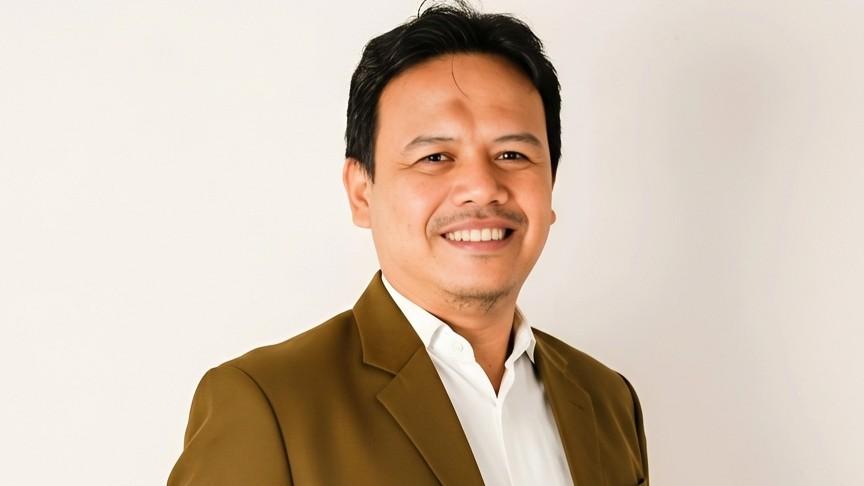
By: Dr. Murdianto
[OPINION] Access to primary and secondary education for persons with disabilities has become increasingly open through various policy measures, particularly following the enactment of Law No. 8 of 2016 on Persons with Disabilities. A total of 343,931 students with disabilities receive educational services at various levels of primary and secondary education, in both public and private institutions, including inclusive schools and special schools. Encouragingly, more than 177,689 students receive educational services in inclusive schools (Education Data Portal, https://data.kemendikdasmen.go.id/, October 2025).
Providing reasonable accommodations for persons with disabilities, particularly in inclusive schools, presents its own complexities. The diverse accommodation needs of students with disabilities in the learning process are largely determined by the design of learning activities that apply the Universal Design for Learning (UDL) approach.
UDL is an instructional design approach based on the principle of accommodating individual diversity. Such accommodation is only possible when educators recognize that students have heterogeneous and varied physical and psychological characteristics, abilities, experiences, preferences, and learning needs. Based on this understanding, students can learn through various methods, media, materials, and assessment techniques.
Universal Design for Learning and the Challenges of Providing Reasonable Accommodations
The Center for Applied Special Technology (CAST), a research and development organization in inclusive education, has developed three main principles of UDL.
The first principle is Multiple Means of Engagement, which refers to various techniques for engaging students in learning. Instruction should be designed by combining different approaches to foster students’ motivation, interests, self-confidence, self-regulation, and participation in the learning process.
This principle assumes that teachers can develop a range of instructional strategies that accommodate student diversity, including cognitive, socio-emotional, and sociocultural differences, as well as the various types of disabilities they may experience.
The second principle is Multiple Means of Representation. This refers to the use of diverse ways of presenting information and learning materials. Content can be delivered through text, images, audio, video, sign language, concrete objects, and digital media that are accessible to all learners. Such diversity in presentation and representation enables students to understand information, learning materials, and instructions according to their individual needs and abilities.
The third principle is Multiple Means of Action and Expression. Students are provided with various alternatives for demonstrating their learning outcomes, including knowledge, attitudes, and skills. Consequently, the expression of learning outcomes does not always have to take the form of written work. Students may demonstrate their understanding through oral statements, simulations, demonstrations of specific abilities, visual works, assistive technology, and other forms of expression.
These principles of Universal Design for Learning have important implications: student diversity cannot be overlooked, either during the learning process or in the assessment of learning outcomes (Meyer, Rose & Gordon, 2014; CAST, 2024).
Implementing UDL at the primary and secondary education levels shifts the orientation of learning from a model centered on uniformity toward one that is highly flexible, participatory, and responsive to individual student differences. Through UDL, teachers develop various alternative media and instructional methods so that every student can engage with learning materials and demonstrate performance and learning outcomes in ways that reflect their individual characteristics, including the disabilities they experience.
The implementation of Universal Design for Learning in Indonesia cannot begin in a vacuum. It must take into account the realities of inclusive education in the country. Drawing on various studies and direct research experiences, the author identifies several fundamental issues related to the implementation of inclusive education in the classroom.
The first issue is the gap between good intentions and educators’ competencies. Good intentions have grown alongside the issuance of Minister of National Education Regulation No. 70 of 2009. The number of educational institutions implementing inclusive education has shown a positive trend, increasing 3.5-fold over the past decade to more than 35,000 institutions (s3pi.fip.unesa.ac.id, 2025), reaching precisely 40,164 institutions in 2023 (Lintangsari, Subhan, Round, and Sharma, 2024).
However, the implementation of inclusive education cannot rely solely on good intentions. It requires pedagogical competence, continuous professional training, mentoring, and institutional support. The fact that only 12.56% of teachers across 40,164 inclusive schools have received inclusive education training demonstrates that good intentions must be accompanied by a strong policy commitment (Lintangsari, Subhan, Round, and Sharma, 2024).
Teachers who have not received inclusive education training may face significant challenges in responding to the diverse disabilities experienced by some students. These challenges range from conducting initial identification to, more importantly, developing the competence to implement UDL practices in the classroom.
The second issue concerns limitations in infrastructure and assistive technology. A World Bank report entitled Assistive Technology for Children with Disabilities in Inclusive and Special Schools in Indonesia, prepared by Anna Hata and colleagues (2023), highlights various limitations in the availability of inclusive education facilities and assistive technology.
The findings indicate a lack of screen-reader software, hearing aids, Braille learning materials, and alternative communication devices at the primary and secondary education levels in Indonesia. Furthermore, more than 60% of teachers who have received inclusive education training are still unable to use assistive technology in teaching and learning activities. This is due to limited procurement of such technology and a lack of technical knowledge about its use.
Another issue is the limited availability of mechanisms for identifying and conducting initial assessments of students’ barriers, support needs, and reasonable accommodation requirements. Yet, efforts to reduce barriers and address impairments are key to implementing UDL principles and delivering inclusive education.
The fourth issue is a broader, macro-level challenge related to policy. More operational policies are needed, along with more intensive monitoring and evaluation.
Ultimately, inclusive education is substantive work because it addresses fundamental aspects of humanity. A strong commitment, clear division of responsibilities, and cross-sectoral coordination will ensure that inclusive education does not stop at merely fulfilling administrative requirements. []
*Part of this article was presented at the PSKP Policy Dialogue of the Ministry of Primary and Secondary Education on November 23, 2026, and is dedicated to commemorating National Teachers’ Day.
About the Author: Dr. Murdianto is a lecturer in the Primary School Teacher Education (PGSD) Study Program and Head of the Disability Services Unit (ULD) at UNU Yogyakarta.
Editor: Latifah
*Editorial Note: This article is the work of the author. All content, views, interpretations, and information presented are the author’s responsibility. The editorial team is not responsible for the views or opinions expressed in this article, except for editorial revisions made for publication purposes.
Share
Related News
National Teachers’ Day 2026: Great Teachers Should Not Only Be Celebrated, but Also Supported
Published by Latifatussolikhah, 27 Nov, 2026 | Duration. 5 Minutes
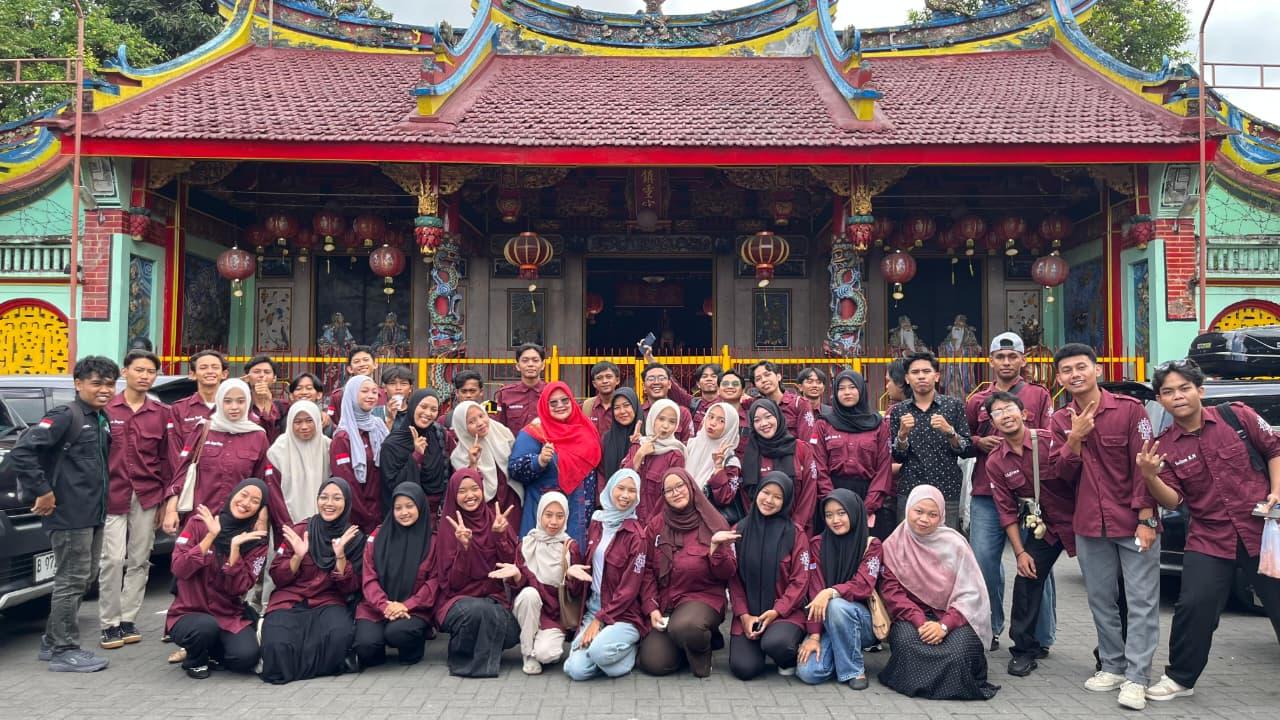
Interdisciplinary Islamic Studies Students of UNU Jogja Explore the Harmony of Confucianism, Taoism, and Buddhism at Poncowinatan Temple
Published by Latifatussolikhah, 27 Nov, 2026 | Duration. 4 Minutes
Agribusiness Selapanan Kamis Manis at UNU Jogja: Strengthening Community Bonds and Improving Nutrition Literacy Among Students and Islamic Boarding School Residents
Published by Latifatussolikhah, 16 Nov, 2026 | Duration. 3 Minutes
Popular News
UNU Jogja Pharmacy Students Win First Honorable Mention Nationally with Digital Technology and Gotu Kola Innovation for TB Control
Published by Latifatussolikhah, 19 Nov, 2026 | Duration. 3 Minutes
Arifin Kurnia Setiatama, Islamic Interdisciplinary Studies Student at UNU Jogja, Wins Second Honorable Mention in the 2026 Kulon Progo Youth Potential Selection
Published by Latifatussolikhah, 18 Nov, 2026 | Duration. 4 Minutes
UNU Jogja Pharmacy Students Win Honorable Mention at International Coophar 2026 Poster Competition
Published by Latifatussolikhah, 13 Nov, 2026 | Duration. 3 Minutes
Two Pharmacy Students of UNU Jogja Win Second Runner-Up Honorable Mention at the National Pharmacist Education Competition
Published by Latifatussolikhah, 16 Nov, 2026 | Duration. 2 Minutes