
UNU Jogja Lecturer Contributes to Food Security Through Genetic Diversity Research on 21 Indonesian Shallot Cultivars
Published by Latifatussolikhah, 2 Jun, 2026
Est. 2 Minutes

Yogyakarta, Indonesia – Efforts to achieve food security are not only driven by increasing agricultural production but also by strengthening research and innovation. Dr. Dewi Masithoh, S.Pd., M.Pd., a Science lecturer in the Elementary School Teacher Education (PGSD) Department at UNU Jogja, has successfully mapped the genetic diversity of 21 Indonesian shallot cultivars, laying the groundwork for the development of superior varieties that are more productive and competitive.
Shallots are among Indonesia’s strategic horticultural commodities, playing an important role in both food security and inflation control. According to the National Food Agency, national shallot production is projected to reach approximately 1.43 million tons in 2025, exceeding the estimated domestic consumption demand of 1.23 million tons.
Despite this positive outlook, shallot cultivation continues to face significant challenges. Dian Alex Chandra, Chairman of the Indonesian Shallot Association, reported that several major production centers experienced yield declines of 30–40 percent in 2026 due to extreme weather conditions. This situation highlights the importance of developing more adaptive varieties supported by strong genetic resources.
To address these challenges, Dewi examined 21 shallot cultivars released by the Indonesian Vegetable Research Institute (BALITSA). The research sought to investigate their genetic diversity and phylogenetic relationships using morphological, chromosomal, and molecular analyses.
The findings revealed a high level of genetic diversity among Indonesian shallots. Variations were observed in leaf, bulb, and root characteristics, supported by chromosomal and DNA analyses.
“These differences in characteristics can serve as a valuable reference for farmers and plant breeders in developing and cultivating shallot varieties according to the unique potential of each cultivar,” Dewi explained.
According to her, genetic diversity is a crucial asset in plant breeding programs because it provides opportunities to develop varieties that are more productive, adaptable to environmental changes, and resilient to cultivation challenges.
“We hope this research can support selective breeding programs aimed at producing superior seeds that will help increase shallot production in Indonesia,” she said.
In addition to revealing genetic diversity, the study also mapped the genetic relationships among Indonesian shallot cultivars. This information can serve as a reference for researchers and plant breeders in designing more effective and targeted breeding strategies for future variety development.
The findings demonstrate the contribution of UNU Jogja academics in producing research that not only enriches scientific knowledge but also provides tangible benefits to the agricultural sector. The study is expected to support the development of superior shallot varieties and strengthen Indonesia’s food security in the future. [Latifah]
Share
Related News
-1789981449878.jpg?alt=media&token=49a1724e-8483-4973-a930-922dde4b0e37)
19 SII Students at UNU Jogja Selected for Kemenag’s Prima Magang PTKI Program
Published by Latifatussolikhah, 21 Sep, 2026 | Duration. 2 Minutes

Why Education Policy Belongs in the National Policy Conversation
Published by Latifatussolikhah, 18 Sep, 2026 | Duration. 5 Minutes
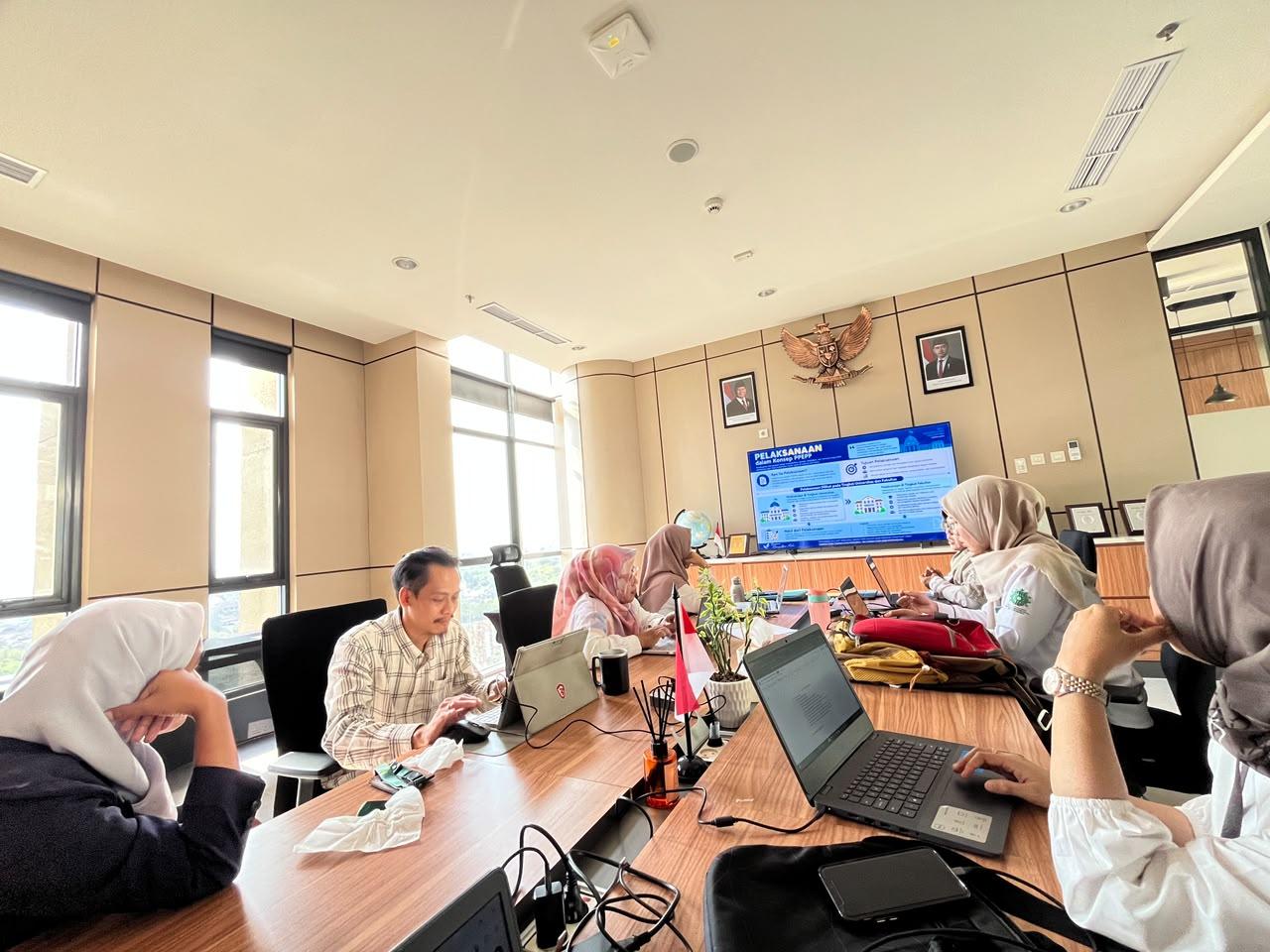
UNU Jogja Prepares for Excellent Accreditation, LPM Strengthens Faculty and Directorate Quality through PPEPP
Published by Latifatussolikhah, 17 Sep, 2026 | Duration. 2 Minutes
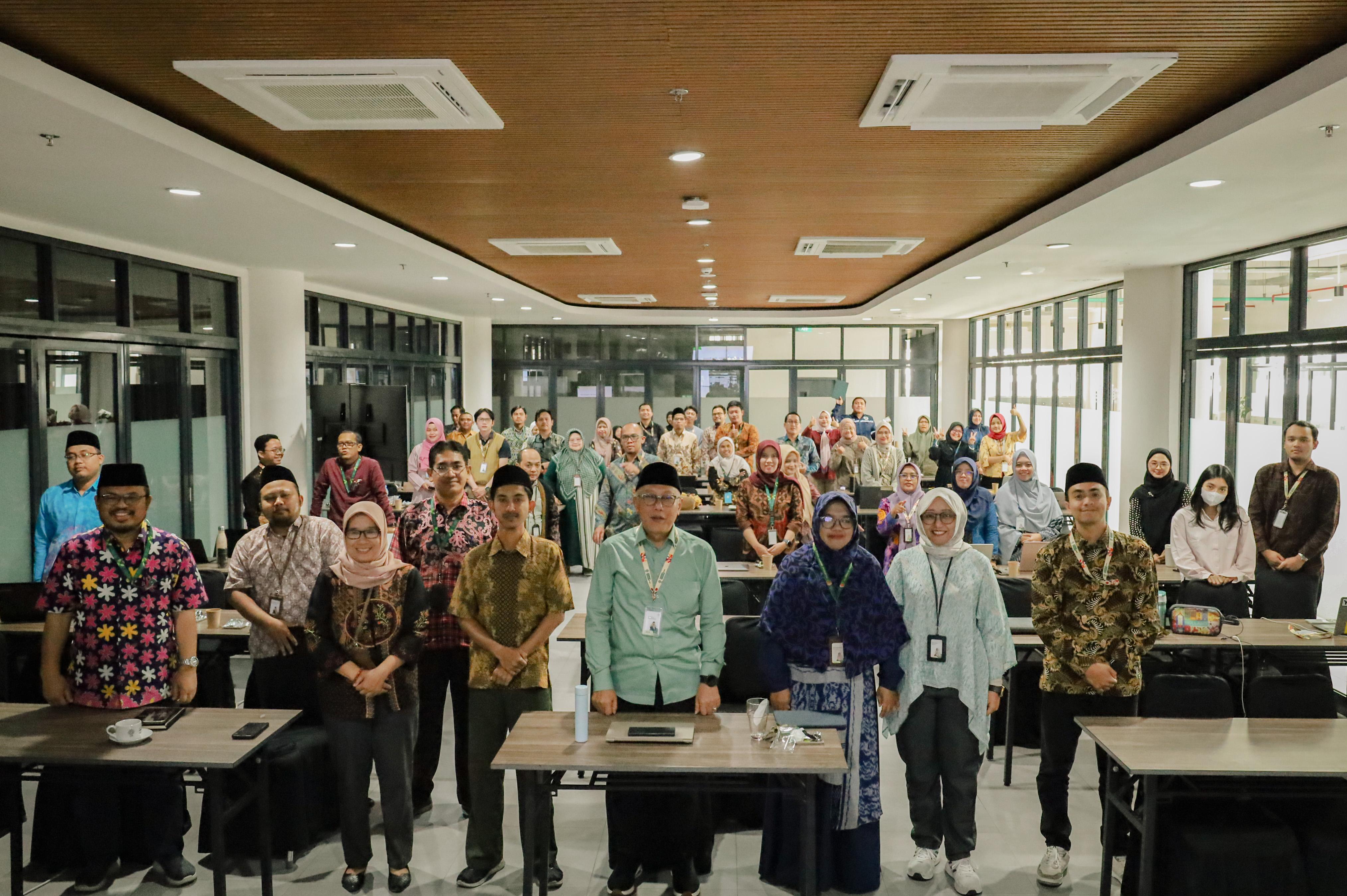
UNU Jogja Socializes RIP, Strategic Plan, and Operational Plan Toward Becoming a Globally Competitive University
Published by Latifatussolikhah, 14 Sep, 2026 | Duration. 3 Minutes
Popular News
Representing Yogyakarta, UNU Jogja Management Student Agung Putra Darmara Wins 2nd Honorable Mention at 2026 Indonesian Duta Genre
Published by Latifatussolikhah, 25 Sep, 2026 | Duration. 6 Minutes
UNU Jogja Students Pass P2MW Selection and Join KMI Expo XVII 2026
Published by Latifatussolikhah, 15 Sep, 2026 | Duration. 3 Minutes
UNU Jogja Students and Alumni Attend Coinfest Asia 2026, Joining Techies from 90 Countries to Shape the Future of Global Technology and Digital Industry
Published by Latifatussolikhah, 26 Aug, 2026 | Duration. 4 Minutes
FREQUENTLY ASKED QUESTIONS (FAQ): BEASISWA TALENTA LESTARI 2026
Published by Intan Agisti Nila Sari, 21 Jul, 2026 | Duration. 9 Minutes