
Nurturing Hope (1)
Published by Latifatussolikhah, 16 Oct, 2026
Est. 6 Minutes
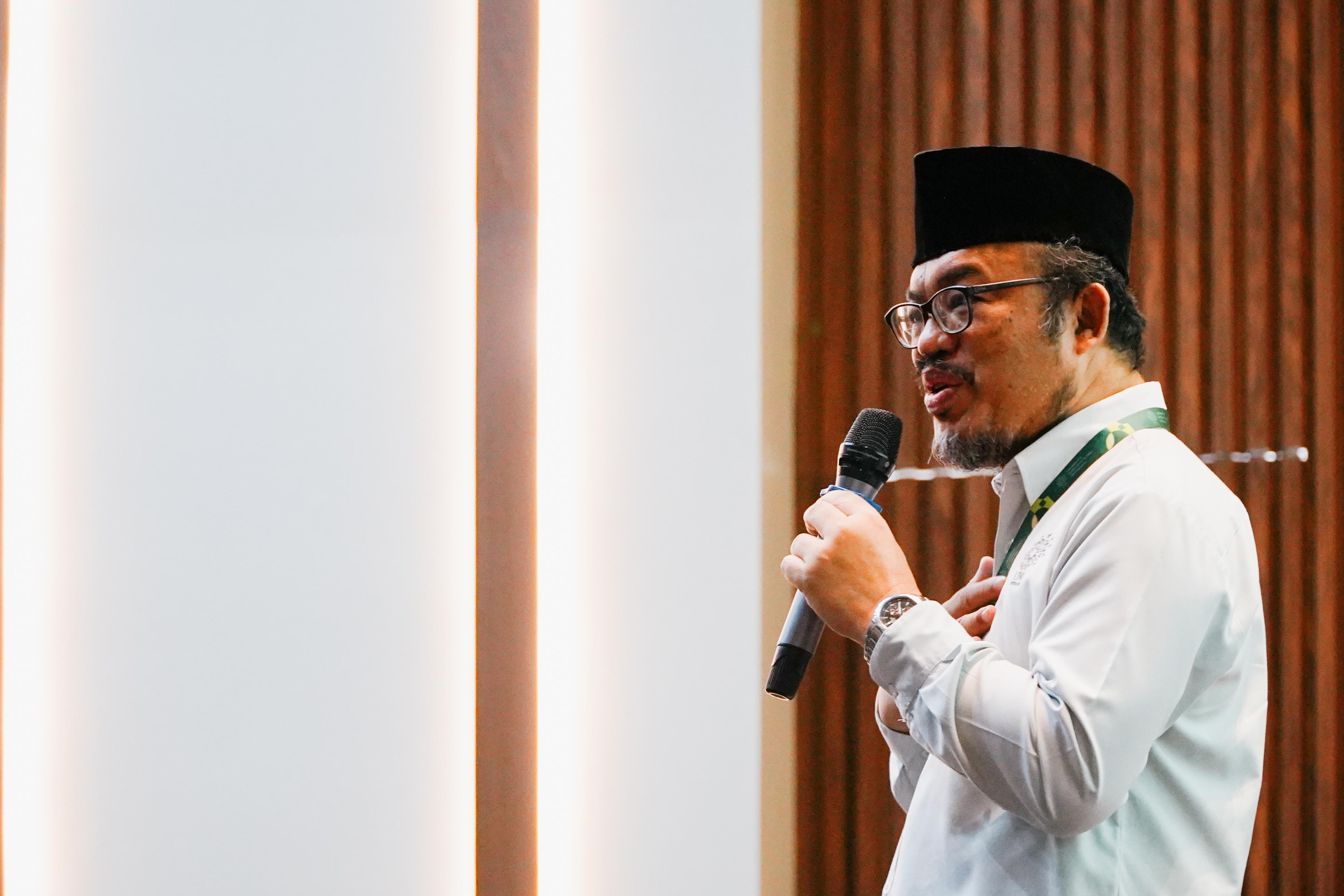
By : Dr. Abdul Ghoffar, M.B.A
[OPINION] When we first prepared the proposal to establish UNU Yogyakarta, we grouped the proposed study programs into several clusters: Health, Agriculture/Food, Education, Economics, and Engineering. We did not initially include an Islamic Studies cluster because the proposal to establish the university was submitted through the Ministry of Higher Education.
All the proposed study programs in the Agriculture, Education, Economics, and Engineering clusters successfully passed verification and received approval. In the Health cluster, we initially proposed two programs: Pharmacy and Environmental Health. Only Pharmacy was approved. Environmental Health could not be opened at the time because of a moratorium on health-related study programs.
So, why did we not propose a Medical Education Program from the outset?
We understood that establishing a Medical Education Program involved substantial requirements. One of them was that the institution had to hold an Excellent accreditation status. At the time, we were only at the stage of applying to establish the university. Under the applicable regulations, it was therefore not possible for us to immediately propose a Medical Education Program and expect it to be approved.
We also recognized that the requirements for establishing a Medical Education Program were highly complex and demanded a much greater level of institutional readiness. For this reason, from the beginning, we chose to prepare a kind of road map toward establishing a Faculty of Medicine. One step was to develop the Health Sciences cluster first. Alhamdulillah, UNU Yogyakarta now has a Pharmacy Program.
Our aspiration to establish a Faculty of Medicine is not simply driven by the high public demand for medical education. Nor is it because a Medical Education Program is seen as a potential source of revenue for the university. It is also not solely in response to the aspirations of Nahdliyin communities who wish to see UNU Yogyakarta establish a Faculty of Medicine.
There is a more fundamental reason that we have been discussing.
We recognize that Indonesia continues to face problems with the uneven distribution of doctors. Doctors remain concentrated in certain areas, while many other regions, particularly those far from centers of growth, continue to experience shortages of medical professionals.
In my view, this problem will be difficult to overcome if the process of training doctors continues to rely entirely on the existing mechanisms. Medical education operates within a market-driven system: demand for admission is extremely high, making competition for places very intense, while tuition and other educational costs are also substantial. As a result, access to becoming a doctor is more readily available to those with sufficient financial resources.
In such circumstances, we also face a challenge when expecting medical graduates to serve in regions where economic opportunities and facilities may be less attractive. After all, doctors must also consider their future prospects, working environments, career development, and, of course, the return on investment on the costs of their education.
For this reason, we believe a different model needs to be developed: a Socially Accountable Medical School.
This model places the healthcare needs of communities at the center of medical education. A Faculty of Medicine should not merely produce doctors; from the outset, it should build an ecosystem connecting:
Regional demand for doctors → recruitment of students from local communities → medical education → clinical training in the regions → graduation → return to serve those regions.
The central idea is simple:
“Educating Local Talent, Serving Local Communities.”
Under this model, UNU Yogyakarta could establish strategic partnerships with local governments in areas experiencing doctor shortages. Local governments could map their healthcare workforce needs, recruit prospective students from their own regions, provide scholarships or financial support, and work with UNU Yogyakarta’s Faculty of Medicine in delivering their education.
Students would undertake their academic medical education at UNU Yogyakarta. After completing the academic stage, their professional medical training could be developed through a network of teaching hospitals and other clinical training facilities that meet the applicable requirements, including regional hospitals and community health centers (Puskesmas) in partner regions.
After completing their education, competency examinations, registration, and all other professional requirements in accordance with applicable regulations, graduates would be encouraged to return to work in their home regions or in the areas that had partnered with the university from the outset.
In this way, a local government's investment in medical education would not end with the provision of scholarships. Instead, it would become part of a deliberately designed, sustainable talent pipeline for regional doctors, aligned with community needs.
For this reason, the future Faculty of Medicine at UNU Yogyakarta is expected to become more than just another medical education institution. It is envisioned as a center for education, research, innovation, and healthcare workforce development oriented toward regional needs.
This aspiration is certainly not easy to achieve. Yet every great aspiration must be nurtured with patience, commitment, and sustained effort.
For now, we are preparing what needs to be prepared: building a strong foundation, strengthening the institution, developing the health sciences cluster, and ensuring that when the opportunity comes, we are truly ready.
God willing, once our institutional accreditation reaches the Excellent status, we will promptly submit a proposal to establish a Medical Education Program.
May this modest endeavor eventually become part of a greater effort: to produce doctors who are not only scientifically competent but also deeply committed to serving the communities and regions that need them most.
Nurturing hope, preparing the way, and waiting for the right moment to bring it to fruition.
May Allah SWT make it possible.*
Author: Dr. Abdul Ghoffar, M.B.A., currently serves as Vice Rector for Pesantren Education and Social Transformation at Universitas Nahdlatul Ulama Yogyakarta. In addition to his academic work, he is known as a social activist and Islamic scholar. He is also active in the Regional Board of Nahdlatul Ulama (PWNU) in the Special Region of Yogyakarta, serving as a member of its Syuriah Council (A’wan Syuriah) for the 2022–2027 period.
Editor: Latifah
*Editorial Note: This article is the author's own work. All content, views, interpretations, and information presented are the author's responsibility. The editorial team is not responsible for the views or opinions expressed, except for editorial changes made for publication purposes.
Share
Related News
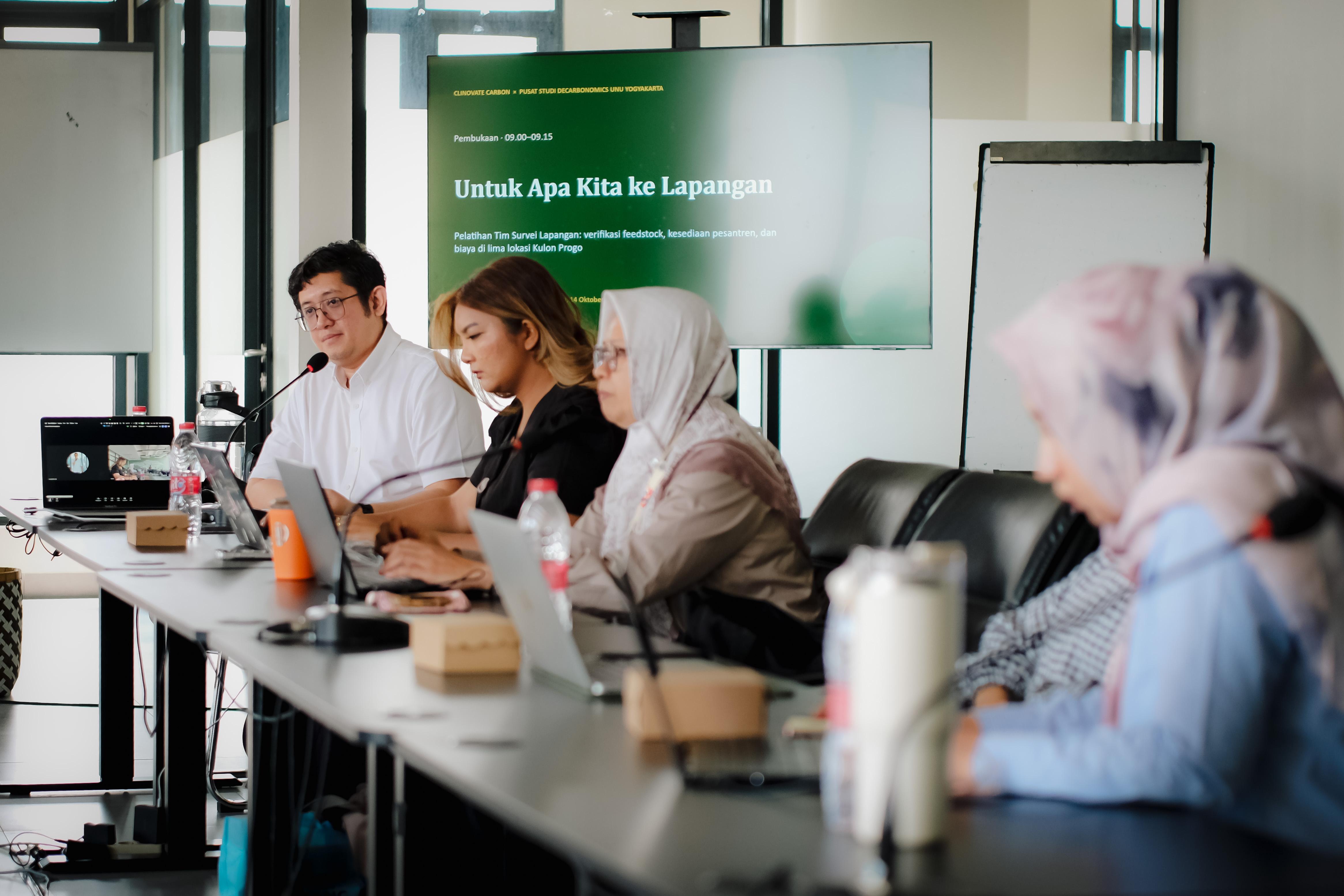
UNU Jogja Trains Students to Map Feedstock for Pesantren-Based Biochar Project in Kulon Progo
Published by Latifatussolikhah, 15 Oct, 2026 | Duration. 3 Minutes
Wireless research for UAE water networks and Kalimantan fire patrols
Published by Latifatussolikhah, 2 Oct, 2026 | Duration. 5 Minutes
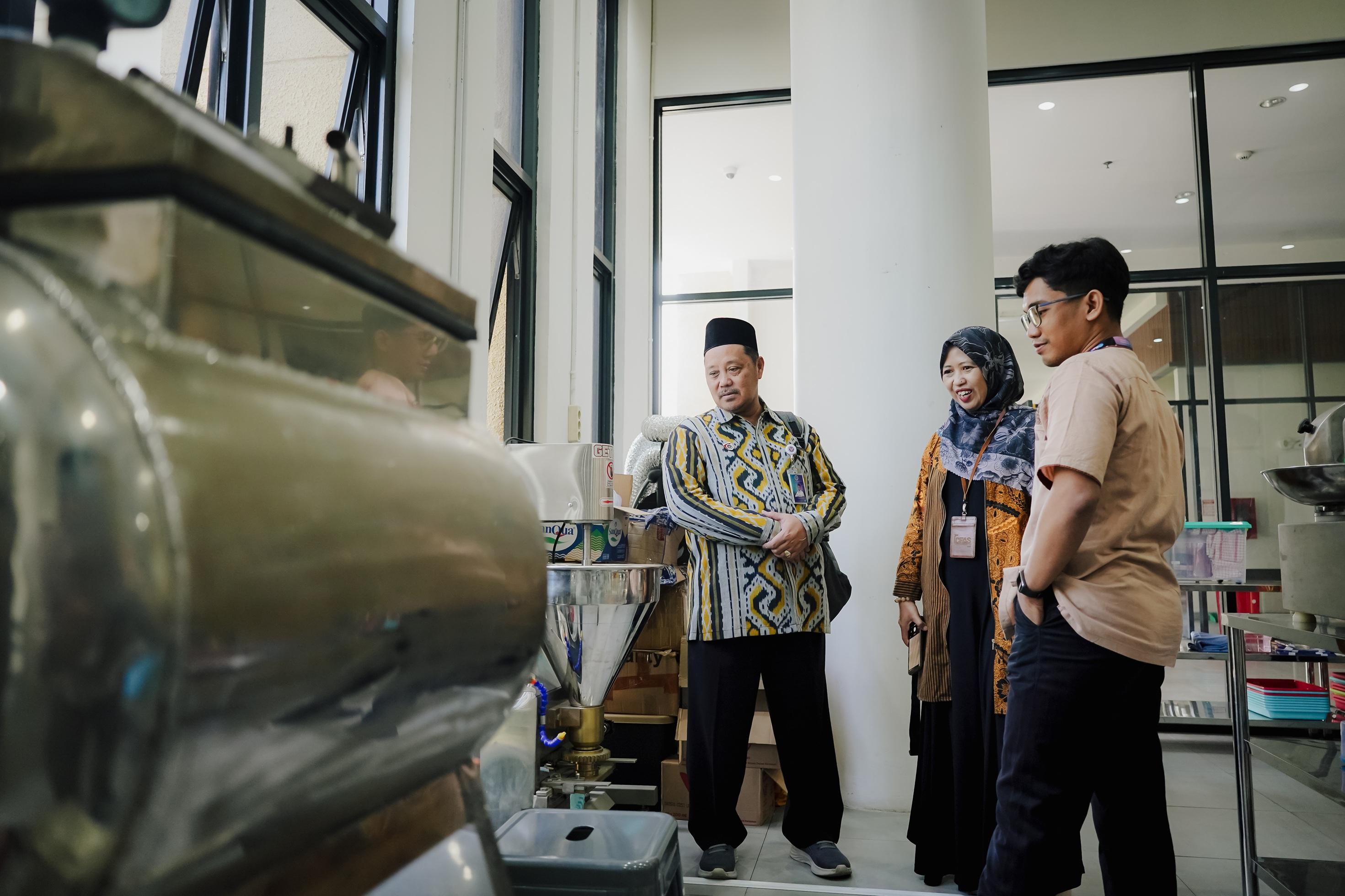
Facing the October Halal Obligation, UNU Jogja Strengthens Halal Certification Assistance Governance
Published by Latifatussolikhah, 11 Aug, 2026 | Duration. 4 Minutes
Popular News
Five PGSD UNU Jogja Alumni Pass Teacher Professional Education Program, Prepare to Become Future Teachers
Published by Latifatussolikhah, 1 Oct, 2026 | Duration. 4 Minutes
UNU Jogja Management Student Muhamad Chaerul Faalih Named 2nd Runner Up Putra Bahari DIY 2026
Published by Latifatussolikhah, 30 Sep, 2026 | Duration. 5 Minutes
UNU Jogja Students Pass P2MW Selection and Join KMI Expo XVII 2026
Published by Latifatussolikhah, 15 Sep, 2026 | Duration. 3 Minutes
Representing Yogyakarta, UNU Jogja Management Student Agung Putra Darmara Wins 2nd Honorable Mention at 2026 Indonesian Duta Genre
Published by Latifatussolikhah, 25 Sep, 2026 | Duration. 6 Minutes