
Safe Fasting, Medication Continues: UNU Jogja Pharmacy Lecturer Highlights the Importance of Adjusting Medication Schedules During Ramadan
Published by Latifatussolikhah, 27 Feb, 2026
Est. 3 Minutes
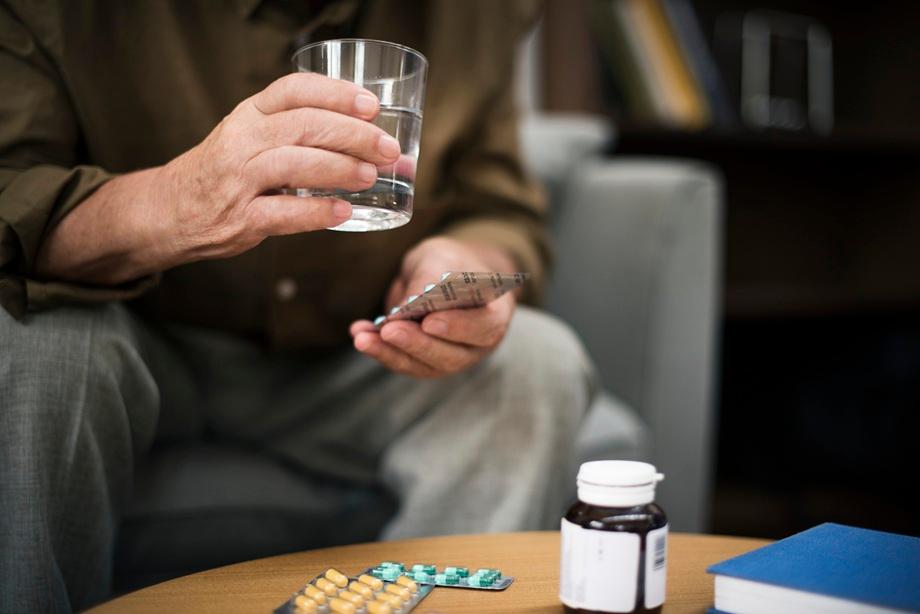
Yogyakarta, Indonesia – The use of medication during Ramadan requires special attention due to changes in eating patterns and dosing schedules that may affect treatment effectiveness.
A lecturer from the Pharmacy Study Program at Universitas Nahdlatul Ulama Yogyakarta (UNU Jogja), apt. Nurul Faizah, M.Sc., reminded the public not to adjust their medication schedules carelessly while observing the fast.
According to her, the shift in mealtimes from morning–afternoon–evening to only between iftar (breaking the fast) and suhoor (pre-dawn meal) can influence a drug’s pharmacokinetics the process of absorption, distribution, metabolism, and excretion in the body.
“If the schedule is not properly adjusted, the effectiveness of the medication may decrease, and it may even pose risks of side effects if taken on an empty stomach when it is not recommended,” she explained.
Common Mistakes
Nurul Faizah noted that one of the most frequent mistakes is combining medication doses into two large doses taken at suhoor and iftar without consulting healthcare professionals. Some patients also stop taking their medication prematurely because they feel better, even though the treatment has not been completed.
“Another common mistake is incorrect timing — for example, taking medication that should be consumed before meals after suhoor or after iftar, or vice versa,” she added.
Safe Ways to Adjust Medication Schedules
She emphasized that the key to managing medication during Ramadan lies in properly dividing the time between iftar and suhoor.
For medications taken once daily, they can generally be consumed either at iftar or suhoor, according to medical advice. For twice-daily doses, they are typically taken at suhoor and iftar.
For medications prescribed three times daily, patients are advised to consult a pharmacist or doctor.
“In some cases, pharmacists may recommend longer-acting medications so that they only need to be taken once or twice a day. If three doses are still required, they are usually scheduled at suhoor, midnight, and iftar,” she explained.
Not All Medications Invalidate Fasting
Nurul Faizah also clarified the misconception that all medications invalidate fasting. Based on Islamic scholarly opinions, medications that do not pass through the digestive tract do not break the fast.
Examples include asthma inhalers, topical ointments, intramuscular injections (except parenteral nutrition), mouthwash as long as it is not swallowed, and nasal sprays that do not reach the digestive tract.
Risks for Chronic Disease Patients
She stressed the importance of medication adherence for patients with chronic illnesses such as diabetes, hypertension, and epilepsy. Suddenly stopping medication may cause blood sugar spikes, uncontrolled blood pressure, and increase the risk of stroke or heart attack.
“Fasting should not be used as a reason to stop medical treatment. Instead, proper adjustment is necessary so that worship can continue while health remains protected,” she emphasized.
Pharmacy Program’s Educational Commitment
As part of its community contribution, the Pharmacy Study Program at UNU Jogja is committed to public education through community service initiatives and digital literacy programs. Students are also encouraged to create educational content about proper medication use during fasting to make the information accessible to the wider public.
Nurul Faizah hopes that public health literacy will continue to improve during Ramadan.
“With proper understanding, people can be more independent in managing their health. Worship and medical treatment can go hand in hand when managed correctly,” she concluded. [Latifah]
Share
Related News
UNU Jogja Explores Collaboration with AFSC/YKPI to Strengthen Community Empowerment and ASEAN Networks
Published by Latifatussolikhah, 21 May, 2026 | Duration. 3 Minutes

Adaptive to Global Industry, Faculty of Halal Industry at UNU Jogja Holds Curriculum Redesign Workshop
Published by Latifatussolikhah, 22 May, 2026 | Duration. 2 Minutes

Toward the Realization of Vision 2045: UNU Yogyakarta Elaborates Strategic Insights from Multidisciplinary Professors
Published by Latifatussolikhah, 8 May, 2026 | Duration. 3 Minutes
Final-Year Students at UNU Jogja Required to Take Quran Reading Test for Graduation
Published by Latifatussolikhah, 5 May, 2026 | Duration. 3 Minutes
Popular News
From the Struggles of Living Away from Home to Becoming Head of CSSD at Awal Bros Hospital Botania Batam
Published by Latifatussolikhah, 18 May, 2026 | Duration. 3 Minutes
From Campus Laboratories to the National Pharmaceutical Industry, UNU Jogja Alumnus Now Builds Career at PT Combiphar
Published by Latifatussolikhah, 21 May, 2026 | Duration. 3 Minutes
SII UNU Jogja Alumnus Appointed Professional Teacher at MCAS Darul Arqam Singapore
Published by Latifatussolikhah, 12 May, 2026 | Duration. 2 Minutes
Farmer’s Son from Pemalang, UNU Jogja Alumnus Now Builds Career at Multinational Company
Published by Latifatussolikhah, 11 May, 2026 | Duration. 4 Minutes