
UNU Jogja Collaborates with BRIN and Industry Partners to Discuss Future Skills and Research Commercialization
Published by Latifatussolikhah, 19 May, 2026
Est. 3 Minutes
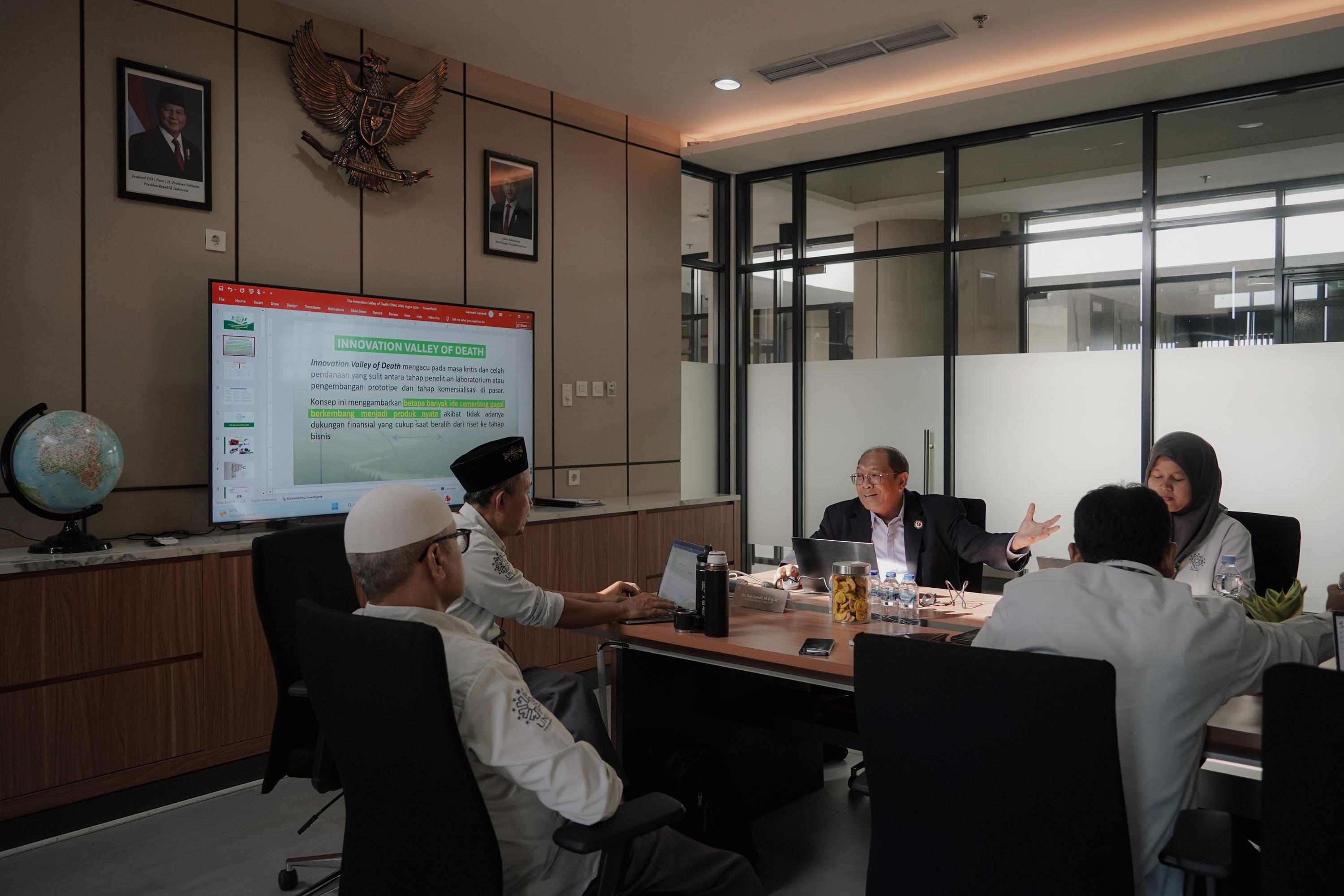
Yogyakarta, Indonesia – Universitas Nahdlatul Ulama Yogyakarta (UNU Jogja) collaborated with industry partners and the Badan Riset dan Inovasi Nasional (BRIN) in a Focus Group Discussion (FGD) aimed at strengthening the relevance of higher education to industry needs, future skills development, and research commercialization, Monday, May 18.
The event featured Dr. Suprapedi, M.Eng.Sc. from BRIN’s Center for Public Policy Research as the keynote speaker. The forum involved lecturers from the Agribusiness, Agricultural Product Technology, Informatics, Electrical Engineering, and Computer Engineering study programs.
Vice Rector for Cooperation and Creative Funding of UNU Jogja, Ian Agisti Dewi Rani, stated that cross-sector collaboration is an essential step for universities to adapt to the rapidly changing demands of industry and the workforce.
“To keep pace with the evolving needs of industry and the labor market, this discussion is important as a platform for lecturer development while also supporting the university’s output targets,” she said.
She explained that the forum was designed as a space to explore ideas and strengthen knowledge relevant to current challenges in higher education. According to her, lecturers need to be encouraged to produce academic outputs that are not only theoretically strong but also capable of creating tangible impacts for society and industry.
Through its “5 Go” strategy—Global, Innovative, Digital, Collabs, and Professional—UNU Jogja aims to position itself as a Professional Hub capable of building collaborative networks and generating innovations relevant to contemporary needs.
During the discussion session, Coordinator of UNU Jogja’s Center for Studies, Sunaji Zamroni, emphasized the importance of synergy between universities and industry in fostering more adaptive academic development.
According to him, strong coordination between campuses and industry partners can create broader opportunities for collaboration, ranging from research development and lecturer competency improvement to the creation of innovations aligned with real-world needs.
“Good coordination between universities and industry partners not only supports lecturers’ personal development but also contributes significantly to improving the overall quality of higher education institutions,” he stated.
The FGD focused on strengthening scientific publications, developing applied works, and exploring creative and artistic innovations as solutions to social and industrial challenges. The forum also highlighted the importance of synchronizing academic curricula, national research policies, and industry demands.
In addition, the discussion addressed the changing landscape of global workforce skills. Referring to the Future of Jobs Report 2025 by the World Economic Forum, around 39 percent of core skills are expected to change by 2030. Skills such as artificial intelligence (AI), big data, cybersecurity, creative thinking, analytical thinking, and leadership are projected to become increasingly essential in the industrial sector.
In his presentation on research commercialization and innovation, Dr. Suprapedi noted that many academic research outputs fail to reach the implementation stage due to the lack of business strategies and well-designed innovation planning from the outset.
“Many academics stop at the patent stage without having a clear business strategy. Therefore, ideas need to be designed from the beginning so innovations can enter the market. This is important to avoid frustration and innovation stagnation in the ‘valley of death’,” he explained.
He expressed hope that universities, including UNU Jogja, would strengthen their research commercialization ecosystem so that campus innovations would not stop at academic publications, but also address the needs of society and industry while creating real social and economic impacts.
Through the forum, UNU Jogja reaffirmed its commitment to building a higher education ecosystem that is more adaptive, collaborative, and relevant to technological developments and future socio-economic challenges. [Latifah]
Share
Related News

UNU Jogja Lecturer’s Research on Arabic and ChatGPT to Be Presented at Southeast Asian Conference
Published by Latifatussolikhah, 25 Sep, 2026 | Duration. 3 Minutes

Living Labs Banda Neira: UNU Jogja’s Collaborative Innovation Delivers Real Impact to Eastern Indonesia
Published by Latifatussolikhah, 9 Sep, 2026 | Duration. 4 Minutes
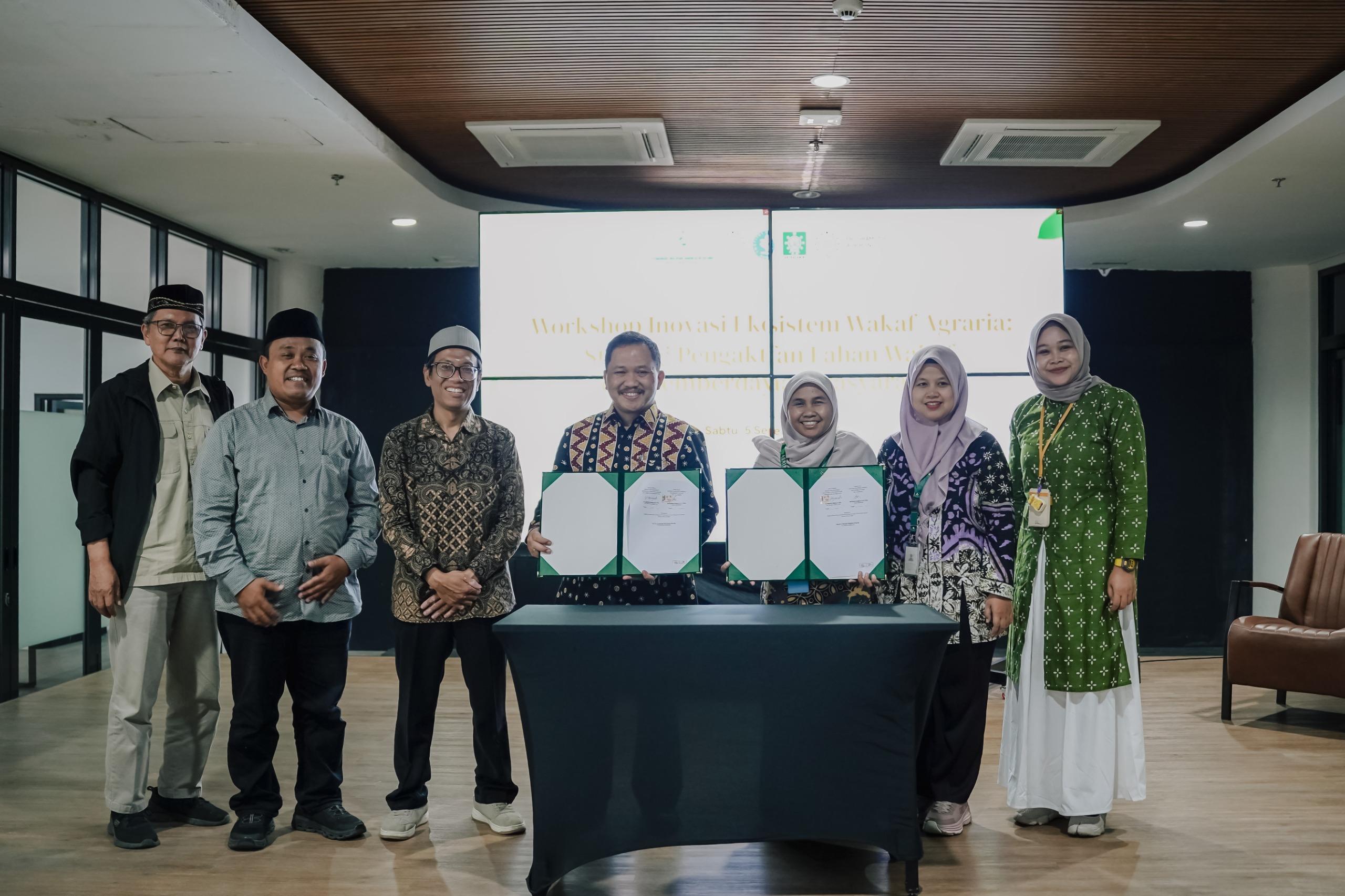
UNU Jogja Agribusiness Program and IPB University Collaborate to Develop an Agrarian Waqf Ecosystem
Published by Latifatussolikhah, 8 Sep, 2026 | Duration. 4 Minutes
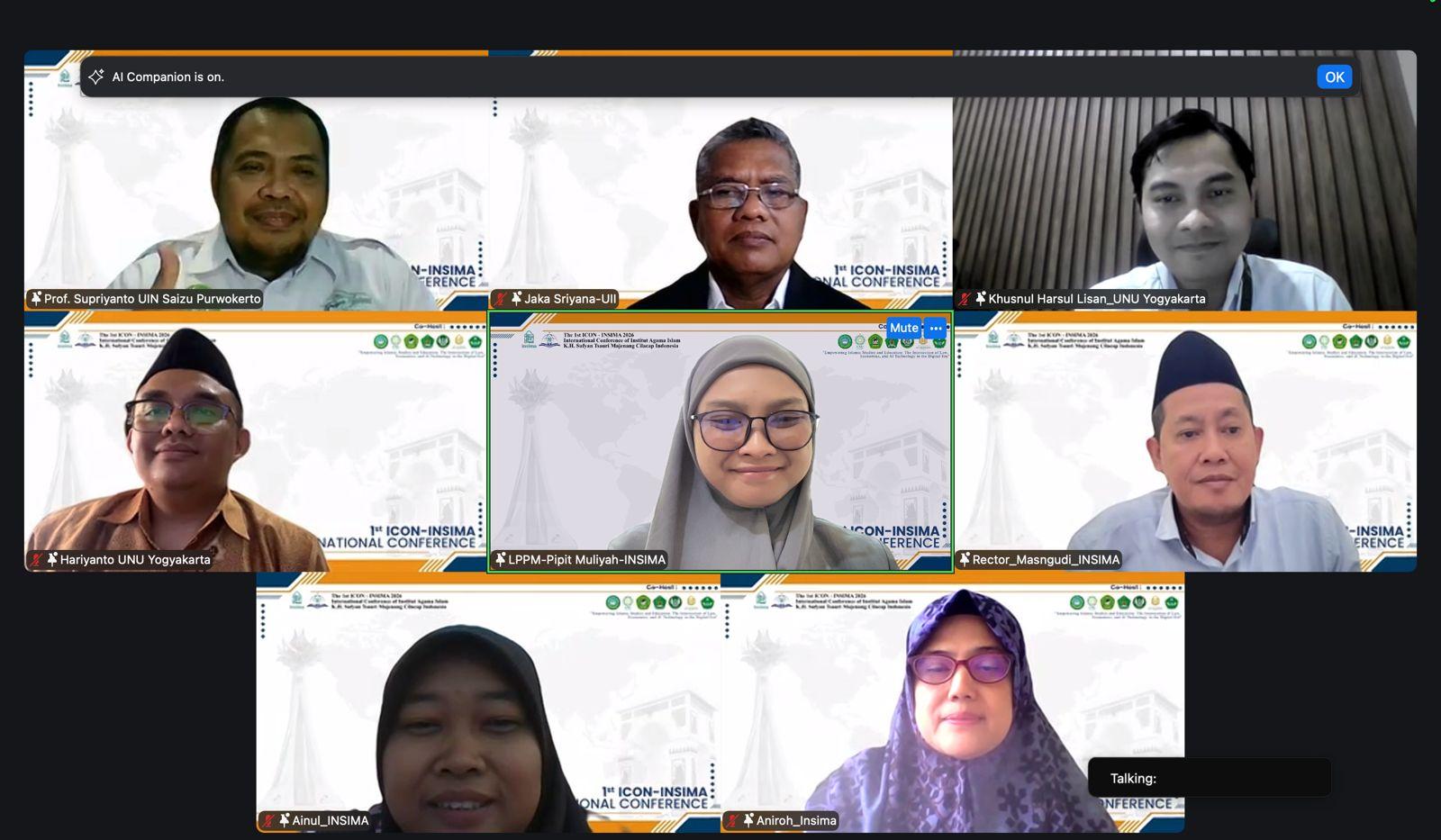
UNU Jogja and INSIMA Hold International Conference, Bringing Together Academics from Asia to Europe
Published by Latifatussolikhah, 7 Sep, 2026 | Duration. 4 Minutes
Popular News
Representing Yogyakarta, UNU Jogja Management Student Agung Putra Darmara Wins 2nd Honorable Mention at 2026 Indonesian Duta Genre
Published by Latifatussolikhah, 25 Sep, 2026 | Duration. 6 Minutes
UNU Jogja Students Pass P2MW Selection and Join KMI Expo XVII 2026
Published by Latifatussolikhah, 15 Sep, 2026 | Duration. 3 Minutes
UNU Jogja Students and Alumni Attend Coinfest Asia 2026, Joining Techies from 90 Countries to Shape the Future of Global Technology and Digital Industry
Published by Latifatussolikhah, 26 Aug, 2026 | Duration. 4 Minutes
FREQUENTLY ASKED QUESTIONS (FAQ): BEASISWA TALENTA LESTARI 2026
Published by Intan Agisti Nila Sari, 21 Jul, 2026 | Duration. 9 Minutes