UNU Jogja Strengthens Bilingual School Initiative, Building an English-Speaking Culture Through Everyday Habits
Published by Latifatussolikhah, 22 Oct, 2026
Est. 6 Minutes
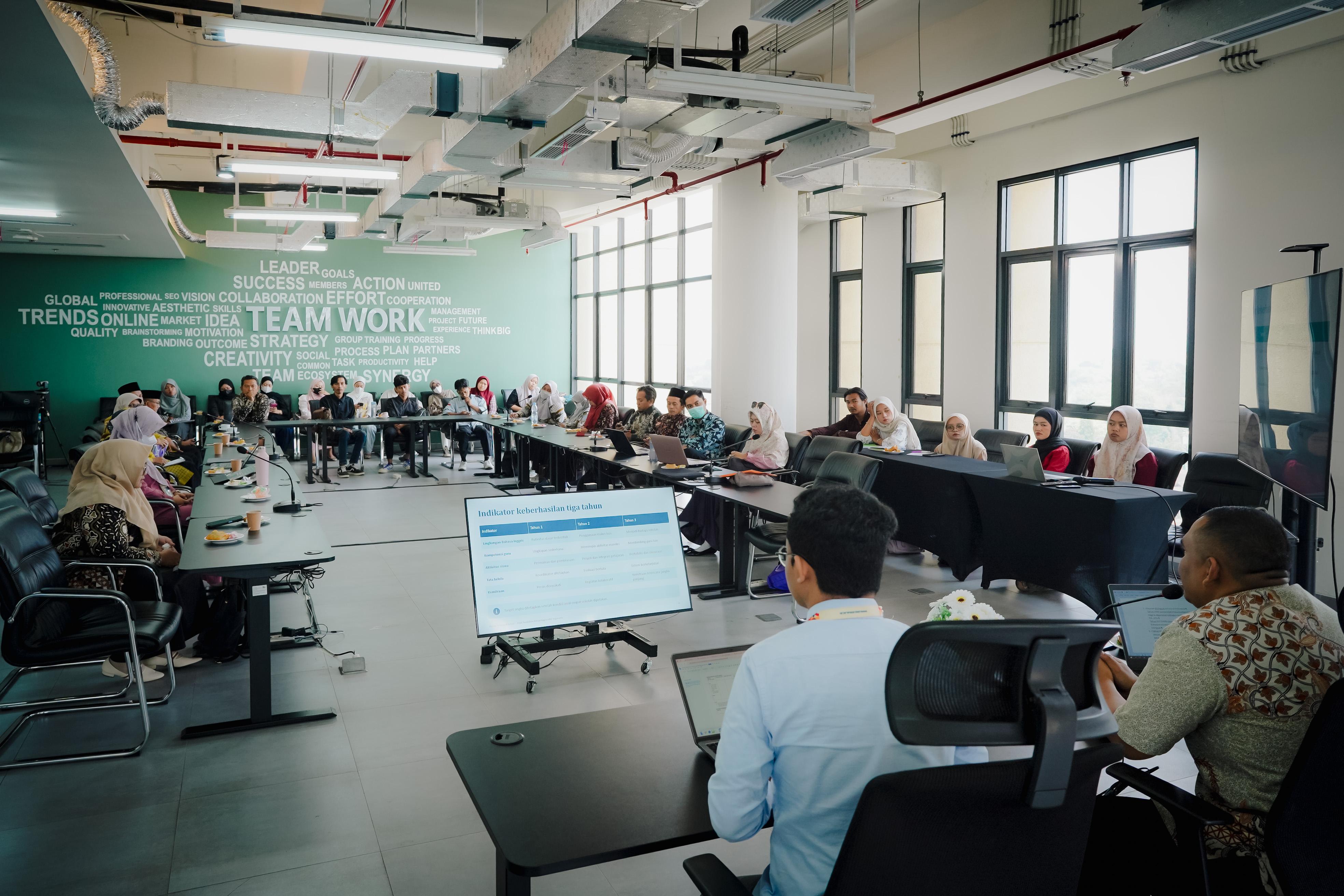
Yogyakarta, Indonesia — Universitas Nahdlatul Ulama Yogyakarta (UNU Jogja) is strengthening the development of bilingual schools and madrasahs through its Pilot Project for Bilingual Schools, involving four partner schools in Bantul Regency. The collaborative program emphasizes consistent English-language practice, improved teacher competencies, and the development of learning environments tailored to each school’s characteristics.
The initiative was reinforced through a Workshop on Bilingual Madrasah Ibtidaiyah Development held on Thursday, October 15, 2026, at the UNU Jogja campus. The workshop was part of the university’s bilingual school initiative and the development of its Social Laboratory (Labsos) ecosystem under the Directorate of Community Engagement and Social Laboratories.
Joko Susilo, Director of the Social Laboratory at UNU Jogja, said that schools’ commitment is essential to launching the bilingual school initiative. He explained that the workshop served as a platform for partner schools and UNU Jogja to align their visions for implementing the university’s Tri Dharma of higher education.
“The workshop serves as a joint envisioning session to align the visions of the schools and UNU Jogja’s Tri Dharma of higher education,” he said.
He added that preparations for the bilingual school initiative involve mapping each school’s existing conditions and analyzing its needs. These efforts include strengthening teacher capacity, preparing the curriculum and student development programs, and agreeing on a roadmap for the program’s future development.
The program involves UNU Jogja’s Faculty of Education, particularly the English Education and Primary School Teacher Education Study Programs, in collaboration with the Ma’arif NU Branch Leadership of Bantul Regency (LP Ma’arif NU Bantul), Lakpesdam of the Bantul Branch of Nahdlatul Ulama (PCNU Bantul), and partner schools. The four participating schools are MI Giriloyo 2, MI Sambeng, MI Sananul Ula, and SD IT Baik Krapyak.
Dean of UNU Jogja’s Faculty of Education, Dr. Mustaghfiroh Rahayu, emphasized that bilingual education involves more than simply delivering lessons in two languages. She said the program needs a collaborative, innovative, and sustainable educational ecosystem to support its development.
“A bilingual school is not merely about delivering instruction in two languages. It is about building a collaborative, innovative, and sustainable educational ecosystem to prepare a generation that is confident and globally competitive,” she said.
She added that the program’s success depends on teacher readiness, adequate facilities and infrastructure, and clear governance. Lecturer and student mentoring, teacher professional development, and regular evaluations are essential to ensure the program develops in a measurable way and responds to each school’s needs.
Khusnul Harsul Lisan, S.Pd., M.Hum., a lecturer in UNU Jogja’s English Education Study Program, explained that bilingual school development does not have to begin with expectations that teachers and students become proficient in English immediately.
Instead, she said, the initial focus should be on building consistent habits, creating a supportive environment, strengthening teachers’ competencies, and developing learning activities suited to students’ needs.
“Through this collaboration, we hope the program will become more structured, measurable, and sustainable, allowing an English-speaking environment to become part of school culture,” she said.
This approach aligns with the principle of Start Small, Build Habits, Grow Together: beginning with simple activities, developing consistent habits, and expanding the program through collaboration among schools, universities, students, and education partners.
In practice, schools are encouraged to establish English-language routines through greetings and simple classroom expressions, English Fun Time sessions, storytelling, Show and Tell, and English Day activities. They can also develop English Corners, label school facilities in English, and establish learning clubs according to their needs and available resources.
Lusiana Dewi, S.Pd., Gr., a teacher at SD IT Baik Krapyak, described the workshop as an important step in strengthening the school’s readiness to become a bilingual school pioneer.
“In addition to broadening teachers’ knowledge and improving their competencies, this activity provides clear direction and practical strategies for delivering communicative, innovative, and globally oriented learning,” she said.
Support for the program also came from Lakpesdam PCNU Bantul. Umi Masruroh, S.Pd.I., M.A., emphasized that education for future generations should take a holistic approach, addressing spirituality, intellectual development, and character formation.
“A generation that has faith, devotion to God, knowledge, and noble character must be nurtured through a holistic educational process that addresses and strengthens children’s spirituality, intellectual development, and character,” she said.
She noted that UNU Jogja’s commitment to supporting madrasahs and schools through its Labsos program was significant, as improving educational quality requires contributions from multiple stakeholders. The collaboration is expected to bridge schools’ needs with the contributions of higher education institutions and institutional partners.
Through the Labsos program and the Field Experience Program (PPL), lecturers and students contribute to teacher training, the development of teaching materials, bilingual learning support, and regular evaluations. Meanwhile, schools and institutional partners help provide support and facilities while strengthening program governance.
To ensure continuity, UNU Jogja is preparing the Roadmap Pioneer 4 Bilingual School for the 2027–2029 period. The roadmap is organized into three phases: Initiation and Foundation in 2027, Development and Integration in 2028, and Consolidation and Sustainability in 2029.
The first phase focuses on establishing foundational language habits, training teachers who do not specialize in English, installing English-language signs, developing Pioneer English Corners, and providing student mentoring alongside initial evaluations.
The second phase aims to improve teacher competencies, integrate English vocabulary and instructions into relevant subjects, develop teaching materials and student projects, and facilitate the exchange of good practices among participating schools.
The third phase focuses on sustainability through the development of a Pioneer 4 Bilingual School guide, the appointment of an English Champion Teacher at each school, the development of student portfolios, program impact evaluations, and stronger long-term partnerships.
The program also takes into account differences in each school’s starting conditions, including teacher readiness, facilities and infrastructure, external partnerships, and institutional commitment. Each school is therefore given the flexibility to determine strategies that suit its needs and context.
The initiative also aims to develop bilingual learning by combining Indonesia’s Merdeka Curriculum with the Cambridge Curriculum, with the goal of gradually improving students’ communication skills, literacy, and confidence.
Through collaboration among universities, schools, madrasahs, students, and education partners, UNU Jogja hopes the initiative will extend beyond a short-term activity. Instead, it is expected to grow into a sustainable learning culture while strengthening educational quality through the integration of global competencies with faith-based values and noble character.
Contributor: Ike
Editor: Latifah
Share
Related News
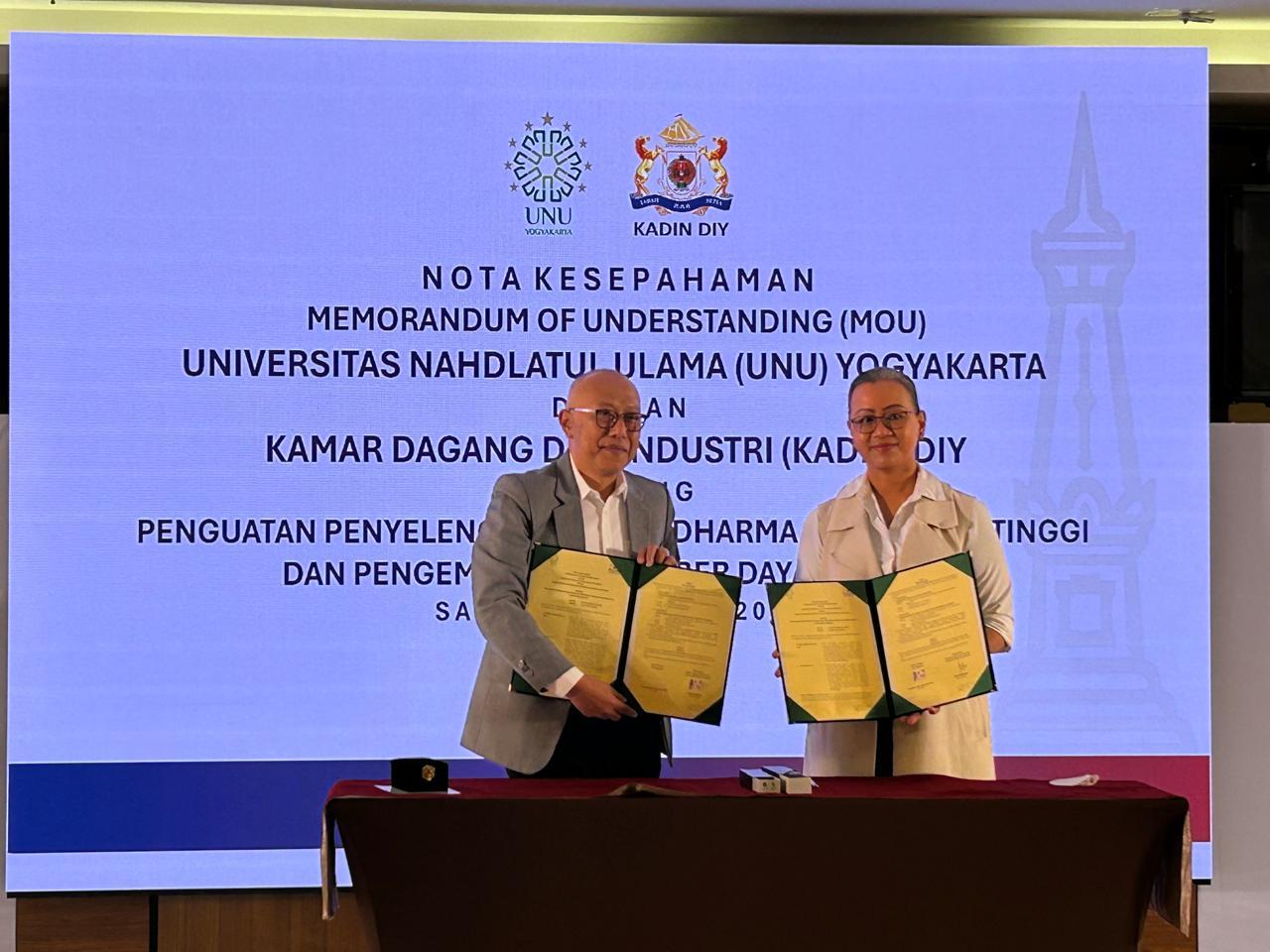
UNU Jogja and KADIN DIY Sign MoU to Strengthen Higher Education–Industry Synergy for Regional Economic Growth
Published by Latifatussolikhah, 22 Oct, 2026 | Duration. 3 Minutes
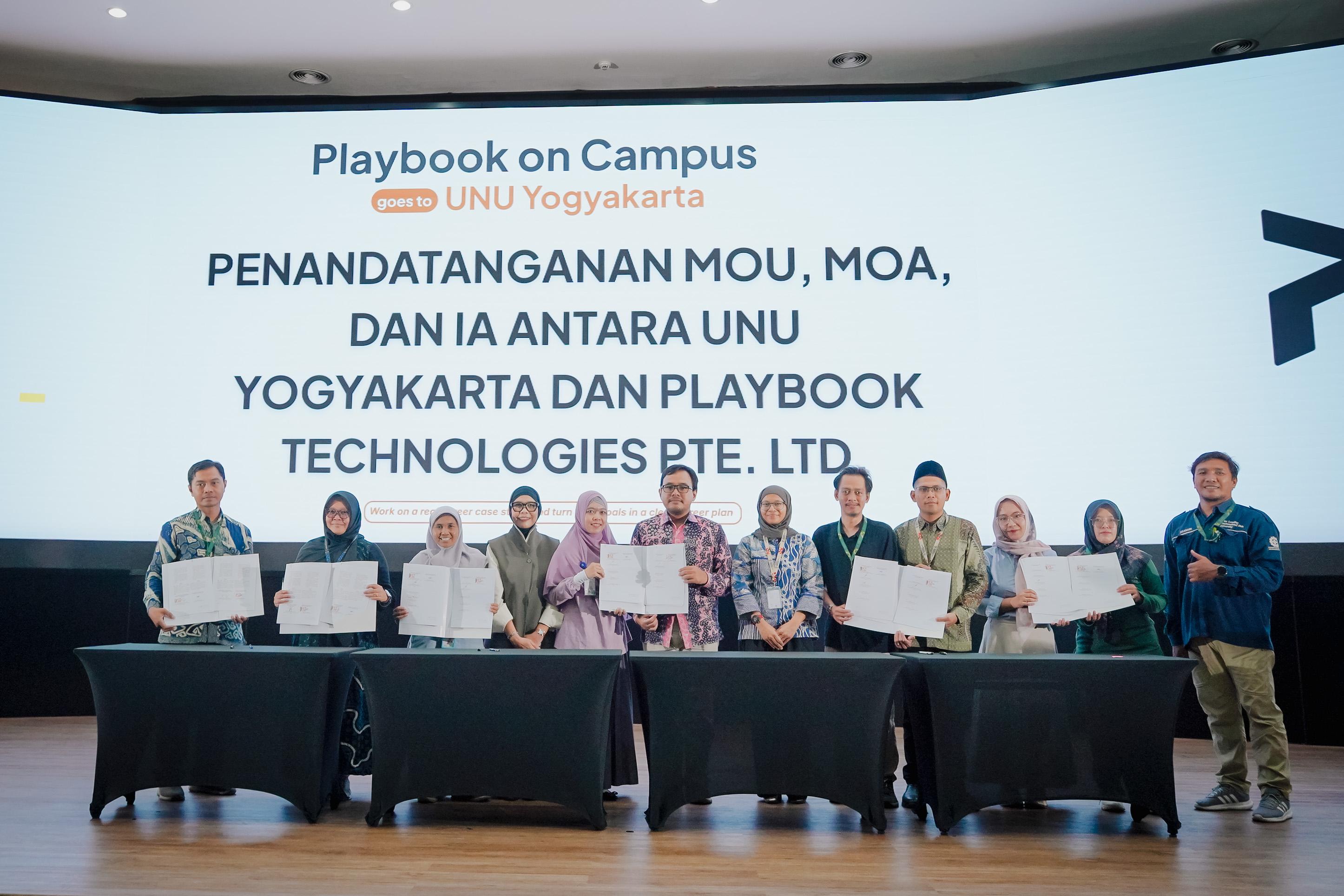
UNU Jogja Partners with Playbook Technologies Pte. Ltd. to Strengthen Collaboration in the Three Pillars of Higher Education
Published by Latifatussolikhah, 21 Oct, 2026 | Duration. 3 Minutes
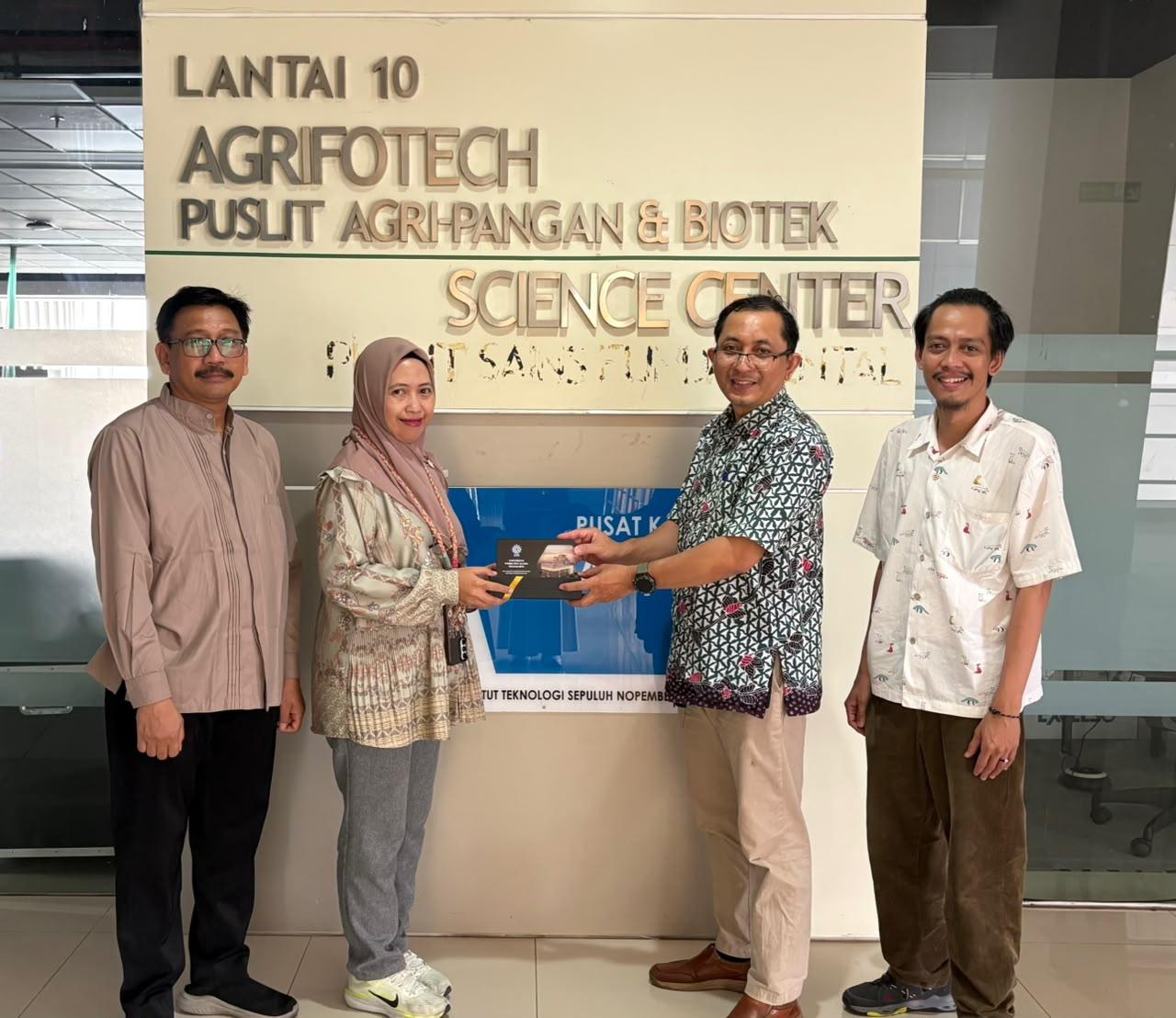
FIH UNU Jogja Explores Collaboration with ITS Halal Studies Center to Strengthen the Halal Industry
Published by Latifatussolikhah, 15 Oct, 2026 | Duration. 2 Minutes
Popular News
Five PGSD UNU Jogja Alumni Pass Teacher Professional Education Program, Prepare to Become Future Teachers
Published by Latifatussolikhah, 1 Oct, 2026 | Duration. 4 Minutes
UNU Jogja Management Student Muhamad Chaerul Faalih Named 2nd Runner Up Putra Bahari DIY 2026
Published by Latifatussolikhah, 30 Sep, 2026 | Duration. 5 Minutes
UNU Jogja Students Pass P2MW Selection and Join KMI Expo XVII 2026
Published by Latifatussolikhah, 15 Sep, 2026 | Duration. 3 Minutes
Representing Yogyakarta, UNU Jogja Management Student Agung Putra Darmara Wins 2nd Honorable Mention at 2026 Indonesian Duta Genre
Published by Latifatussolikhah, 25 Sep, 2026 | Duration. 6 Minutes